
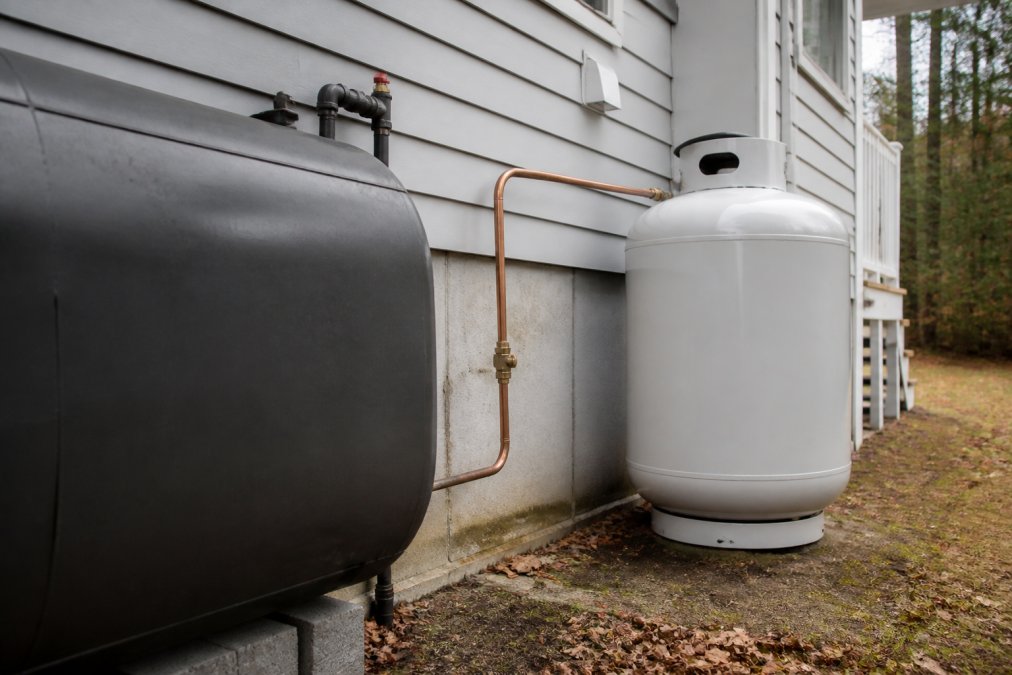
Table of Contents
- Oil to Propane Conversion: Is It Worth the Switch?
- The Oil to Propane Conversion Cost Breakdown
- Benefits of Propane vs Heating Oil: A Side-by-Side Comparison
- Step-by-Step: How to Convert Your Heating System
- Navigating Permits, Regulations, and Resale Value
- Dual-Fuel Options and Other Configurations to Consider
- How to Choose a Propane Provider for Your Conversion
- Conclusion: Planning Your Conversion Timeline
- Frequently Asked Questions
Last Updated: September 4, 2026
Oil to Propane Conversion: Is It Worth the Switch?
Converting a home heating system from oil to propane is a significant investment, typically costing several thousand dollars, but it often pays off through lower fuel costs, improved efficiency, and reduced maintenance. This guide from Discount Propane walks you through the real costs, the step-by-step process, and the regulatory hurdles you will face.
The decision usually comes down to the age of your current oil furnace or boiler, the condition of your oil tank, and how long you plan to stay in the home. An oil to propane conversion is rarely a simple swap; it involves new equipment, tank installation, and often a complete change in how you buy fuel.
The Oil to Propane Conversion Cost Breakdown
The total oil to propane conversion cost varies widely based on your home’s existing setup, but the largest single expense is the new heating appliance itself.
Here are typical national average price ranges for each component; your local costs will vary based on labor rates and market conditions.
- Propane furnace or boiler replacement: for the unit and installation.
- Propane tank installation: for an above-ground tank (120 to 500 gallons). Underground tanks run, which includes excavation, the tank itself, and the burial. Leasing a tank from your propane provider can reduce this to a small annual fee or nothing, but you lose the ability to switch suppliers easily.
- Gas line and venting: This covers running new copper or CSST gas piping from the tank to the appliance, plus new venting materials. If your home requires a chimney liner or a new side-wall vent kit, add.
- Oil tank removal: for an above-ground tank that is drained, cleaned, and hauled away. An underground oil tank removal is far more expensive, typically, because it requires excavation, soil testing, and potentially remediation if the tank has leaked.
- Labor and permits: This covers the HVAC contractor’s labor beyond the appliance installation, plus local permit fees and inspection costs.
The single biggest mistake homeowners make is comparing only equipment quotes. Disposal costs can be substantial for underground tanks, so get an itemized quote that separates the furnace, tank, piping, and removal.
One cost factor that often surprises homeowners is the difference between a direct vent and a power vent system. Direct vent systems pull combustion air from outside and exhaust through a dedicated vent, which is more efficient but requires a specific wall or roof penetration. Power vent systems use a fan to push exhaust out, which is more flexible for retrofits but adds a small electric load and a component that can fail.
Do not accept a verbal estimate. A written, itemized quote that separates equipment, tank, piping, removal, and permits is the only way to compare bids fairly. If a contractor gives you a single lump-sum number without a breakdown, ask for more detail or move on.
Another hidden cost is the potential need to upgrade your electrical panel. Some high-efficiency propane furnaces require a dedicated 120V circuit, and if your panel is already at capacity, an electrician will need to add a breaker or a sub-panel.
Finally, factor in the cost of a service contract for the first year. Many contractors offer a discounted maintenance plan that covers the initial tune-up and priority service, protecting your investment during the first heating season when installation issues are most likely to surface.
Benefits of Propane vs Heating Oil: A Side-by-Side Comparison
Propane burns cleaner than heating oil, which translates directly into lower maintenance costs and a longer equipment lifespan. Oil-fired systems accumulate soot and sludge, requiring annual cleaning and more frequent nozzle and filter replacements. Propane systems run cleaner, meaning fewer service calls and a heat exchanger that stays efficient for years (energy.gov).
| Factor | Propane | Heating Oil |
|---|---|---|
| Fuel efficiency | Higher AFUE ratings, often 90-98% | Typically 80-87% AFUE |
| Equipment lifespan | 20-25 years with basic maintenance | 15-20 years with regular cleaning |
| Maintenance | Minimal, annual inspection | Annual cleaning required, more wear |
| Environmental impact | Clean-burning, lower carbon footprint | Higher emissions, risk of tank leaks |
| Delivery | Automatic delivery, no minimums | Scheduled delivery, often larger tanks |
The efficiency difference is the core of the benefits of propane vs heating oil argument. A propane furnace with a 95% AFUE rating converts nearly all its fuel into heat, while an older oil boiler might waste 15-20% of every gallon you buy (energystar.gov).
Another advantage is fuel delivery. Propane is delivered on a schedule you control, and providers offer automatic delivery so you never run out. Oil tanks are typically larger and require bigger, less frequent deliveries, meaning you carry more fuel cost at once.
The clean-burning nature of propane is not just an environmental talking point. It directly reduces annual maintenance costs and extends the life of your heating equipment, making the higher upfront conversion cost easier to justify.
Step-by-Step: How to Convert Your Heating System
Converting your heating system from oil to propane follows a predictable sequence, but the order matters to avoid costly rework. Start with the fuel source, then the appliance, and finish with the oil tank removal.
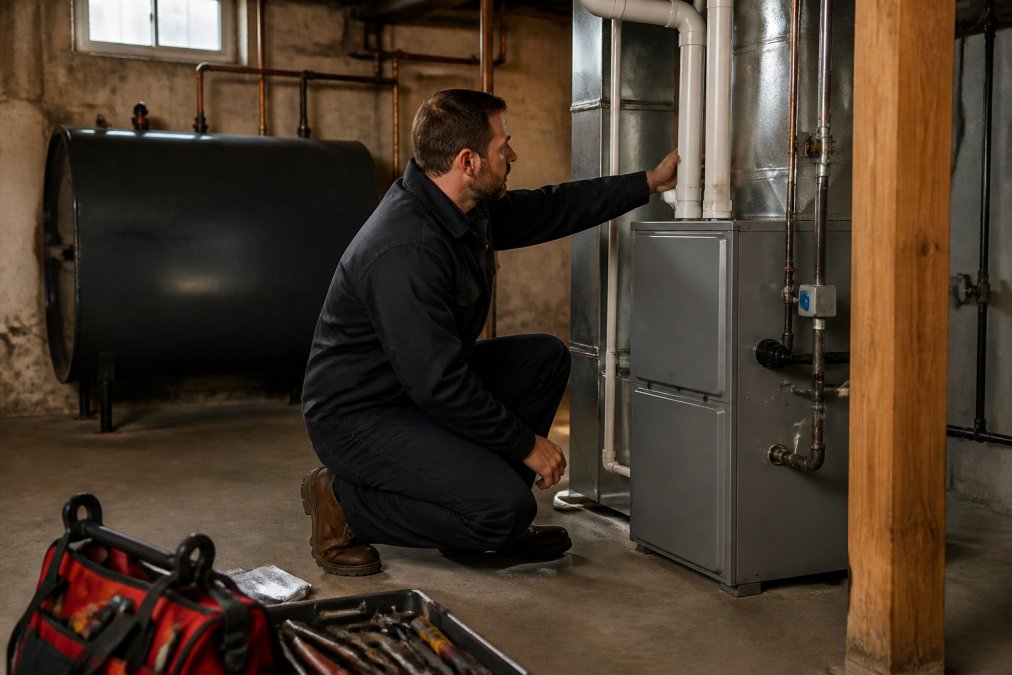
What You’ll Need Before You Start
Before any equipment is ordered, you need three things in place. First, a load calculation on your home determines the correct furnace or boiler size, measured in BTU. Second, confirm your propane provider can deliver to your property and install a tank that meets local setback requirements. Third, verify that your HVAC contractor holds the proper license for gas work, not just oil service. HVAC inspection costs.
A Realistic Day-by-Day Timeline
Most guides tell you the conversion takes “two to four weeks” without explaining why. Here is a realistic day-by-day breakdown of what actually happens.
Week 1: Planning and Permits (Days 1-5)
- Day 1-2: Your HVAC contractor performs a site visit, measures your home, and runs the load calculation. They also inspect your existing oil tank, chimney, or venting path, and confirm the new unit’s placement. This is when you should get the itemized quote.
- Day 3: You sign the contract and pay a deposit. The contractor orders the furnace or boiler. Depending on the manufacturer and model, delivery takes 3-10 business days.
- Day 4-5: The contractor pulls the building permit from your local municipality. This is also when you should contact your propane provider to schedule the tank installation. The provider will perform their own site survey to confirm setback distances from windows, doors, property lines, and ignition sources.
Week 2: Tank Installation and Prep Work (Days 6-10)
- Day 6-7: The propane provider installs the tank. For an above-ground tank, this involves leveling a gravel or concrete pad, setting the tank, and running the initial gas line to the point where it enters your home. For an underground tank, this takes longer due to excavation.
- Day 8: The HVAC contractor begins the appliance replacement. They disconnect and remove the old oil burner. If you are replacing a boiler, they drain the system. If you are replacing a furnace, they disconnect the ductwork.
- Day 9: The new propane unit is set in place. The contractor connects the ductwork or piping, installs the venting, and runs the gas line from the tank to the appliance.
- Day 10: The contractor pressure-tests the gas line, wires the thermostat and controls, and performs a preliminary startup test. This is a good day to be home to ask questions about the new system’s operation.
Week 3: Inspections and Oil Tank Removal (Days 11-15)
- Day 11-12: The local building inspector visits to check the gas line, venting, and appliance connection. If the inspector flags any issues, the contractor fixes them and schedules a re-inspection, which can add 2-3 days.
- Day 13: The oil tank removal crew arrives. They drain the remaining oil, clean the tank, and disconnect it from the old piping. For an above-ground tank, this is usually a half-day job.
- Day 14-15: The tank is hauled away. If you had an underground tank, this phase involves excavation and potentially soil testing, which can extend this step by several days.
Week 4: Final Testing and Handoff (Days 16-20)
- Day 16: The HVAC contractor returns for a final startup, checks the combustion efficiency, and verifies the system is running within manufacturer specifications.
- Day 17: The propane provider fills the tank to a level you agree on, and you set up automatic delivery.
- Day 18-20: You receive the final inspection sign-off, the contractor walks you through the thermostat programming and maintenance schedule, and you receive your warranty paperwork.
The most common source of delay is the permit inspection. Municipalities often schedule inspections only on specific days of the week, and if the inspector finds an issue, you wait for the next available slot. Starting the permit process in Week 1, before any equipment arrives, is the single best way to keep your timeline on track.
The Installation Process: From Oil Tank to Propane
The installation itself typically follows this order:
- Site preparation for the propane tank: The contractor levels a pad or digs a hole, depending on tank type.
- Furnace or boiler replacement: The old oil burner is removed and the new propane unit is set in place.
- Gas line connection: A licensed technician runs and pressure-tests the gas line from the tank to the appliance.
- Venting installation: New venting pipes are fitted to handle the exhaust from propane combustion.
- Thermostat and controls: Your existing thermostat usually works, but the system is wired and tested.
- Oil tank removal: The old tank is drained, purged, and removed from the property.
Never reuse an oil furnace or boiler with a propane conversion kit if the unit is more than 10 years old. The heat exchanger and combustion chamber are designed for oil’s burn characteristics, and retrofitting an aging unit often leads to premature failure and a voided warranty.
One coordination point that homeowners frequently overlook is the order of the tank fill and the final inspection. The propane provider should not fill the tank until the HVAC contractor has completed the gas line pressure test and the local inspector has signed off. Filling the tank before the inspection can create a safety hazard and may cause the inspector to fail the installation.
Navigating Permits, Regulations, and Resale Value
Most homeowners do not realize that an oil to propane conversion requires a building permit, and the process varies significantly by municipality. Your HVAC contractor should pull the permit and schedule the inspection, but you should confirm this before work begins.
The propane tank itself is also regulated. Local fire codes dictate how far the tank must sit from your house, your property line, and any ignition sources (nfpa.org). A propane provider handles the permitting for the tank installation, but the furnace work falls under your HVAC contractor’s permit.
There is a resale angle worth considering. Homes with propane heat are attractive to buyers in areas where natural gas is not available, because propane is seen as a modern, clean fuel compared to oil. A documented conversion with permits and inspection records adds credibility when you sell.
Dual-Fuel Options and Other Configurations to Consider
A dual-fuel or hybrid system pairs a propane furnace with an electric heat pump. The heat pump handles heating during mild weather, and the propane furnace takes over when temperatures drop below the point where the heat pump loses efficiency.
This setup reduces your propane consumption, since the heat pump does most of the work in spring and fall, and gives you a backup heat source if one system fails.
Other configurations to discuss with your contractor:
- Tankless propane water heater: If you are already adding a propane tank, a tankless water heater eliminates your oil-fired or electric water heater.
- Propane fireplace or stove: A vented propane fireplace adds a secondary heat source and improves resale appeal.
- Generator hookup: A propane tank can fuel a whole-home standby generator, giving you power during outages.
These additions increase the upfront cost but spread the value of the propane tank across multiple appliances and reduce your reliance on the electric grid.
How to Choose a Propane Provider for Your Conversion
Choosing a propane provider matters as much as choosing the right furnace, because you will have a long-term relationship with the company that fills your tank. The provider should be involved early, ideally before you sign the furnace contract.
The benefits of propane vs heating oil only materialize if you have reliable, fairly priced fuel delivery. Look for transparent pricing, reasonable delivery minimums, automatic delivery options, and fast emergency response. Online ordering and account management also simplify the process.
Check whether your propane provider handles the tank installation and the associated permitting as part of the conversion. Some providers require you to lease a tank from them, while others allow you to own the tank outright. Ownership gives you the freedom to switch providers if prices rise.
Conclusion: Planning Your Conversion Timeline
A full oil to propane conversion, from contract signing to final inspection, typically takes two to four weeks. Start the process in late summer or early fall, before the heating season creates a rush for both HVAC contractors and propane deliveries.
The switch is rarely a quick or cheap project, but the combination of higher efficiency, lower maintenance, and cleaner operation makes it a sound investment for most homeowners.
When you are ready to move forward, Discount Propane can handle the fuel side of your conversion with upfront, real-time online pricing and easy online ordering. You can see propane prices before you commit, schedule fast delivery, and manage your account securely from your phone or computer. Get started with Discount Propane and take the first step toward a cleaner, more efficient heating system.
Frequently Asked Questions
Is it worth converting from oil to propane?
For many homeowners, yes. Propane burns cleaner than heating oil, which often means less frequent maintenance on your furnace or boiler. It also eliminates the need for a large oil tank in your basement. The decision depends on your current system’s age and the local costs of each fuel. A newer, high-efficiency propane furnace can offset the conversion cost over time through lower utility bills.
What is the average cost to convert from oil to propane?
The oil to propane conversion cost varies significantly based on your home’s layout and the equipment you choose. A basic conversion might involve installing a new propane furnace, a new tank, and running a gas line. However, prices depend on the size of your home, labor rates, and the specific models selected. You can get a clear price estimate from a local provider like Discount Propane to see the current costs.
How do I convert my furnace from oil to propane?
A full conversion typically requires replacing the oil burner with a propane burner or installing a new furnace. This is not a DIY job. A licensed HVAC contractor must handle the equipment swap, and a propane provider will install the outdoor tank and connect the gas line. After installation, a safety inspection is required before the system can be turned on.
Is it cheaper to heat a house with oil or propane?
Cost-effectiveness depends on the current market prices for both fuels and the efficiency ratings of your heating equipment. Propane often has a higher AFUE rating in modern furnaces, meaning more fuel is converted to heat. To compare accurately, you need to look at the price per BTU for each fuel. Check current prices online to see which energy source offers better value in your area.
What are the environmental benefits of switching to propane?
Propane is a clean-burning fuel that produces fewer carbon emissions and particulates than heating oil. It won’t contaminate soil or groundwater if a leak occurs, unlike oil. This reduces your home’s carbon footprint and eliminates the risks associated with underground oil tank storage, making it a more environmentally sound choice for many households.
This article was written using GrandRanker