

Table of Contents
- What You’ll Need Before Scheduling Propane Delivery
- How to Check Propane Tank Percentage
- Automatic Propane Delivery vs. Will-Call: Which Option Works Best
- Step-by-Step: How to Schedule Propane Delivery Online
- Understanding Propane Delivery Cost Per Gallon and Pricing Factors
- Preparing Your Property for Propane Delivery
- Common Mistakes to Avoid When Scheduling Delivery
- Conclusion
Last Updated: August 16, 2026
What You’ll Need Before Scheduling Propane Delivery
Before you pick up the phone or log into an online portal to schedule propane delivery, gather a few essential details. You’ll need your account number or phone number associated with your propane account, your current tank size (typically 100, 120, or 500+ gallons for residential use), and your delivery address. If you’re a new customer, have your property address ready along with information about where your propane tank is located, whether it’s in a basement, garage, or outside on the property.
Understanding your tank’s current fuel level matters too. Many delivery services won’t come out if your tank is still relatively full, so knowing where you stand helps you avoid scheduling a visit that gets canceled. Your payment method should also be decided in advance: whether you plan to pay by credit card, cash on delivery, or another option like Zelle if your propane provider offers it.
One often-overlooked detail is knowing whether you want automatic delivery or prefer to call when you need fuel. This choice shapes everything about how you’ll schedule propane delivery going forward. If you’re switching providers, have your previous account information handy so the new company can set up service without delays. Most propane companies can port over your delivery history and preferences if you provide those details upfront.
How to Check Propane Tank Percentage
The easiest way to know when you need propane is to check your tank’s fuel level before it runs critically low. Most residential propane tanks have a float gauge, a mechanical device that shows roughly what percentage of fuel remains in your tank. This gauge sits on top of or on the side of your tank and typically displays a dial or indicator showing empty, 1/4, 1/2, 3/4, or full.
To read your tank gauge, walk outside to where your propane tank is located and look for the gauge on the tank’s exterior. The dial will point to a number or percentage. If it reads below 25%, that’s a good time to schedule propane delivery, especially during winter months when usage spikes. Some gauges show a red zone indicating critically low fuel, don’t wait until you hit that point, as you risk running out of propane entirely.
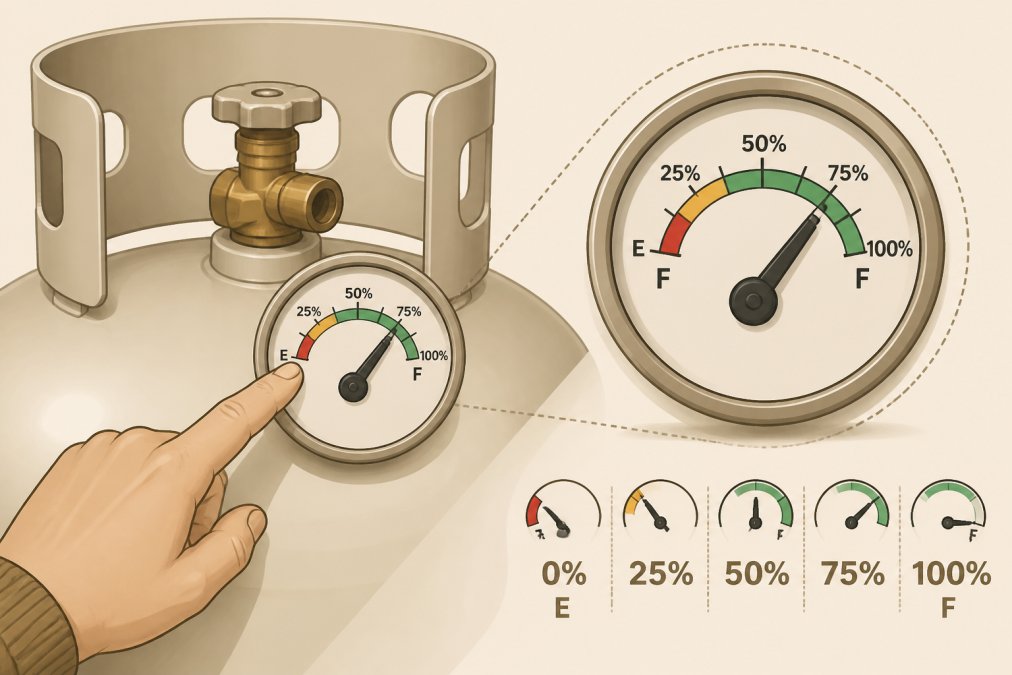
If your tank doesn’t have a visible gauge or the gauge is unclear, you can estimate usage by tracking how long a full tank lasts. Many homeowners use roughly 1-2 gallons per day during heating season, depending on outdoor temperature and how much you rely on propane for appliances. Keep a simple log of your delivery dates and tank capacity, this pattern helps you predict when you’ll need your next refill without guessing.
Some propane companies offer smartphone apps or online account portals where you can log in and see your estimated tank percentage based on your usage history. This removes the guesswork entirely. At Discount Propane, for example, you can check your account online anytime to see real-time fuel level estimates and schedule delivery based on that data. This approach is particularly useful if you’re away from home frequently or want to avoid the surprise of an empty tank during cold weather.
Automatic Propane Delivery vs. Will-Call: Which Option Works Best
When you schedule propane delivery, you’re choosing between two fundamentally different approaches: automatic delivery and will-call (manual) scheduling. Understanding the trade-offs between these options is crucial because they affect your convenience, your fuel costs, and how often you need to think about propane management.
Automatic delivery means your propane company monitors your tank usage and schedules refills on a predetermined schedule, often monthly or every six weeks depending on your consumption patterns. You don’t have to call, check your gauge, or remember anything, the truck arrives, the technician refills your tank, and you’re billed automatically. This eliminates the risk of running out of propane unexpectedly, which matters most during winter heating season when demand is highest and temperatures can drop suddenly.
The downside of automatic delivery is that you lose control over when refills happen. If your usage drops due to a mild winter or because you’ve reduced heating, you might receive a delivery you didn’t need, tying up cash in fuel you won’t use for weeks. You also can’t take advantage of price dips if your provider adjusts rates, you get whatever price is in effect on your scheduled delivery date.
Will-call delivery, sometimes called manual scheduling, puts you in control. You monitor your tank gauge, decide when you need fuel, and call (or go online) to request a delivery. This approach lets you time refills strategically, potentially capturing better pricing if rates drop. You only pay for fuel when you actually need it, improving cash flow for budget-conscious households and businesses.
The trade-off is responsibility and risk. You have to remember to check your tank regularly, especially during peak heating season. If you’re busy, traveling, or simply forget, you could run out of propane mid-winter, a genuinely uncomfortable situation if propane powers your home heating. Will-call also typically requires more notice; delivery windows might be 2-5 business days out, meaning you need to plan ahead rather than react to emergencies.
For most residential customers, automatic delivery makes sense during winter months (October through March) when heating demand is predictable and the cost of running out is high. Many homeowners switch to will-call delivery in spring and summer when propane usage drops and the urgency decreases. Some providers allow you to toggle between automatic and will-call scheduling, giving you flexibility to adjust as seasons change.
For contractors and industrial users who need consistent propane supply for job site heaters, equipment, or forklifts, automatic delivery removes the operational headache. You know fuel will arrive on schedule, and you don’t have to coordinate with your propane supplier every time you need a refill. Construction schedules are unpredictable enough without adding fuel logistics to the equation.
Step-by-Step: How to Schedule Propane Delivery Online
Most propane providers now offer online ordering, which eliminates phone calls and lets you schedule delivery on your own timeline. The process is straightforward and typically takes 5-10 minutes. Here’s how to schedule propane delivery through an online portal.
Create or Log Into Your Account
Start by visiting your propane provider’s website. If you’re an existing customer, look for a login link or account portal. Enter your username and password. If you’re new to the company, you’ll need to create an account first. Provide your full name, email address, phone number, and the address where you need propane delivered. Some providers ask for your tank size and location details at signup; others ask these questions during the scheduling process.
If you’re switching from another propane company, mention that during account creation. Many providers can pull your delivery history and tank information from your previous supplier, speeding up setup. This is particularly helpful if you’ve been getting automatic delivery and want to continue that service without interruption.
Enter Your Delivery Address and Tank Size
Once logged in, navigate to the "Schedule Delivery" or "Order Propane" section. You’ll see a form asking for your delivery address. Confirm that the address matches where your propane tank is located. If you have multiple properties or tanks, select the correct one from a dropdown menu.
Enter your tank size. Common residential sizes are 100, 120, or 500+ gallons. If you’re unsure, check your tank itself, the size is typically stamped on a metal plate on the tank’s exterior. Selecting the correct tank size matters because it determines how much fuel the delivery truck carries and how the company calculates your refill amount.
Some online portals also ask you to specify where your tank is located: in a basement, garage, outside on the property, or in a shed. This helps the delivery technician know what to expect and ensures they bring the right equipment. If your tank is in an unusual location or hard to access, note that in the special instructions field.
Select Your Delivery Window
Most propane companies offer delivery windows of 2-4 hours, such as 8 AM to 12 PM or 1 PM to 5 PM. Select the window that works best for you. Some providers offer next-day delivery for rush orders, though this may come with a premium fee. Standard scheduling usually offers delivery within 3-7 business days.
If you’re scheduling during peak heating season (winter), availability tightens and delivery windows fill up quickly. Schedule early if you know you’ll need propane soon. Many providers let you choose a specific date or request the earliest available slot. Be realistic about your schedule, if you need to be home for the delivery, make sure you can actually be there during the window you select.
Review Pricing and Confirm Your Order
Before finalizing your order, review the estimated cost. Your propane provider should show you the current price per gallon and the estimated total based on your tank size and recent usage. At Discount Propane, pricing is displayed upfront in real time, so you see exactly what you’ll pay before confirming.
Check your payment method. Most online portals let you pay by credit card, and some offer additional options like cash on delivery or Zelle. If you’re a new customer, verify that your payment information is saved securely. Reputable providers use PCI-compliant payment processing to protect your financial data.
Review the delivery details one final time: address, tank size, delivery window, and total cost. Confirm the order. You should receive an order confirmation email immediately with your delivery date, time window, and a reference number. Save this confirmation, you’ll need it if you have questions or need to reschedule.
Understanding Propane Delivery Cost Per Gallon and Pricing Factors
Propane pricing fluctuates based on several factors beyond your control, and understanding these dynamics helps you make smarter scheduling decisions. The base propane delivery cost per gallon varies by season, market conditions, and your location. Winter typically brings higher prices because demand spikes when homeowners and businesses turn up heating. Summer brings lower prices as demand drops.
Your propane company’s profit margin on each gallon is relatively thin, most of the price you pay reflects the wholesale cost of propane itself, which moves with crude oil prices and natural gas markets. When oil prices rise, propane prices follow. When they fall, you usually see price relief within days or weeks, depending on how quickly your supplier updates rates.
Beyond the per-gallon cost, several factors influence your total delivery bill. Tank size matters: filling a 500-gallon commercial tank costs more than filling a 100-gallon residential tank, but the per-gallon price is usually the same. Delivery distance can affect pricing, rural areas or locations far from the propane company’s distribution center may incur delivery fees. Frequency of delivery also influences cost; customers who schedule regular automatic delivery often get slightly better per-gallon rates than will-call customers because the logistics are more predictable.
Seasonal pricing variations are significant. Many propane companies offer "budget billing" or "price lock" programs where you pay a fixed rate for a set period, smoothing out winter price spikes. These programs typically run from fall through spring. If you’re concerned about cost, ask your propane provider about these options when you schedule delivery.
One practical approach is to monitor pricing trends and schedule will-call deliveries during price dips if you have flexibility. If you’re on automatic delivery, you’re locked into whatever price is in effect on your delivery date, you can’t time the market. This is a genuine trade-off: convenience and reliability versus price control. For most households, the peace of mind from automatic delivery outweighs the potential savings from will-call scheduling, especially during winter.
Preparing Your Property for Propane Delivery
Before your scheduled delivery date, take a few steps to make the process smooth and safe. Clear the area around your propane tank of obstacles. If your tank is outside, remove snow, ice, or debris that might block the delivery technician’s access. If it’s in a basement, ensure the pathway is clear and well-lit so the technician can work safely.
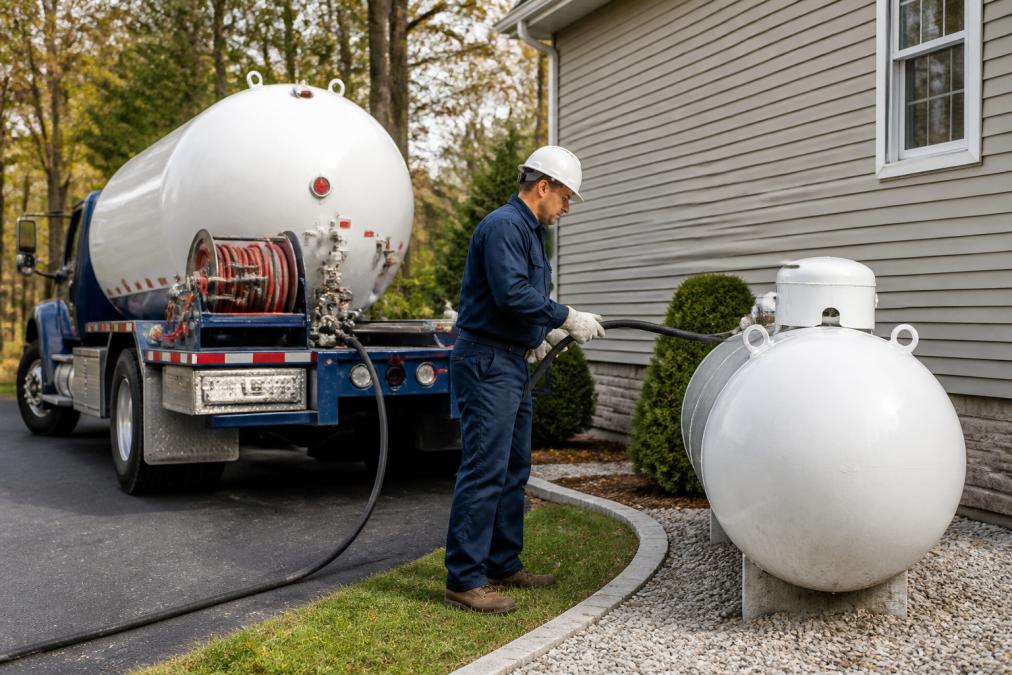
Check that your tank’s valve is in the correct position. For a standard fill, the valve should be in the off position (closed). The technician will handle opening and closing it, but starting with it closed is standard practice. If you’re unsure about your tank’s valve, ask your propane company for guidance before delivery day.
Ensure someone is home during your delivery window if possible. The technician needs access to the tank and may have questions about your setup or billing. If you can’t be home, provide clear instructions about where the tank is located and any special access information (locked gate, driveway code, etc.). Leave your phone number visible or provide it to the propane company so the driver can call if there are issues.
If you’ve recently moved or switched propane companies, inform your utility company and any relevant contractors. Some systems (like certain heating systems) may need to be checked or reconfigured for a new propane supplier. This is rare, but it’s worth confirming, especially if you’re converting from oil to propane heating.
Common Mistakes to Avoid When Scheduling Delivery
A frequent error is waiting too long to schedule delivery. Many people check their tank gauge, see it’s at 50%, and assume they have time. During winter, 50% can mean you have only 2-3 weeks of fuel left depending on temperature and usage. If you wait until the tank is near empty and your propane company is busy, you might not get a delivery slot for several days, a risky situation if temperatures drop.
Another mistake is not accounting for delivery lead times. If your provider requires 3-5 business days’ notice and you call on a Friday expecting Monday delivery, you’ll be disappointed. Online scheduling often shows available delivery windows, so you can see the reality of wait times. Plan ahead, especially during heating season when demand is highest.
Providing incorrect tank size or location information causes delays. If you tell your propane company you have a 100-gallon tank but actually have 500 gallons, the driver might not have enough fuel on the truck to fill you completely. Conversely, if you overestimate tank size, you might order more fuel than you need. Double-check your tank size before scheduling.
Forgetting to update your payment method or billing address leads to failed transactions and canceled deliveries. If you’ve moved, changed credit cards, or switched banks, update your account information before scheduling. A delivery that fails because of billing issues is frustrating and leaves you without fuel when you need it most.
Not communicating special circumstances is another common pitfall. If your tank is hard to access, in a locked area, or if you have pets that might interfere with the technician, mention this upfront. If you’re not home during the scheduled delivery window, leave clear instructions. The more information you provide, the smoother the delivery goes.
Some customers schedule delivery without checking whether their propane account is in good standing. If you owe a balance or your account is flagged, the company might refuse to deliver. Settle any outstanding balances before scheduling to avoid this problem.
Scheduling propane delivery doesn’t have to be complicated. By checking your tank gauge regularly, understanding whether automatic or will-call delivery fits your needs, and using your propane provider’s online ordering system, you can keep fuel flowing without stress. The key is planning ahead, don’t wait until your tank is nearly empty or winter weather makes scheduling urgent.
Discount Propane makes this process straightforward with real-time online pricing and flexible scheduling options. You can see current propane prices before ordering, choose your delivery window, and manage your account from your phone or computer. Whether you need automatic delivery for winter heating or prefer will-call flexibility, transparent pricing and secure account management take the guesswork out of fuel management. Get Propane Price and schedule your next delivery in minutes.
Frequently Asked Questions
How do I know when to request propane delivery?
Most propane users schedule delivery when their tank gauge reads 25-30% full. This prevents running out of fuel during peak usage periods and allows time for delivery scheduling. For homes using propane for heating, winter months typically require more frequent deliveries. Automatic delivery systems monitor your tank and trigger refills automatically, removing the guesswork entirely.
What's the difference between automatic propane delivery and will-call scheduling?
Automatic delivery monitors your tank gauge and sends propane before you run low, ensuring consistent supply with no action required on your part. Will-call means you manually request delivery when needed, giving you control over timing and delivery frequency. Automatic works best for residential heating and consistent usage; will-call suits those with variable demand or who prefer managing delivery themselves.
Do I need to be home when the propane delivery truck arrives?
You don't need to be present for most deliveries, but it's helpful to be available or have someone at the property to ensure access to the tank and to confirm delivery completion. The delivery technician will locate your tank, inspect it for safety, and complete the fill. If your tank is difficult to access or you have specific instructions, being home allows you to communicate directly with the driver.
How much does propane delivery cost per gallon?
Propane delivery pricing depends on quantity ordered, current market rates, delivery distance, and seasonal demand. Pricing is typically lower per gallon for larger orders and varies based on your service area and delivery radius. Check your propane supplier's website for real-time pricing before scheduling, as rates fluctuate regularly. Many suppliers, including Discount Propane, offer transparent online pricing so you know costs before committing to an order.
This article was written using GrandRanker