
Table of Contents
- What Residential Propane Delivery Involves
- Automatic vs. Will-Call Propane Delivery: Which is Right for You
- Propane Tank Sizing and Installation for Homes
- Propane Tank Leasing vs. Owning: Cost and Flexibility
- Propane Safety Inspection Requirements and Maintenance
- Converting from Heating Oil to Propane
- Emergency Propane Refill and 24/7 Support
- Conclusion
Last Updated: August 12, 2026
What Residential Propane Delivery Involves
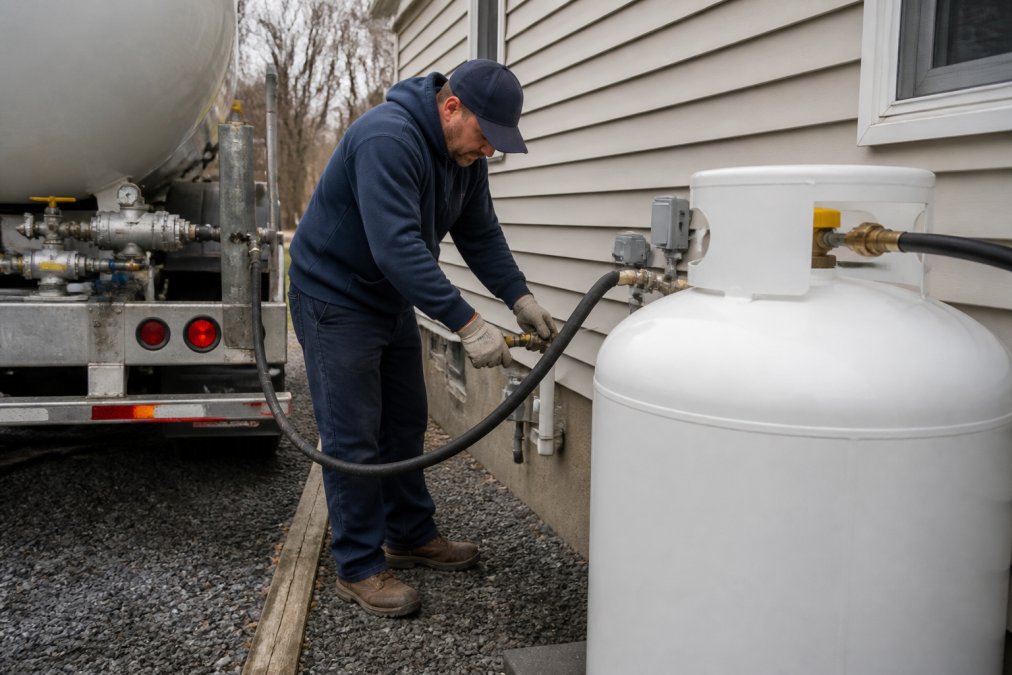
Residential propane delivery is the process of supplying propane fuel to homes for heating, cooking, water heating, and other appliances through scheduled or on-demand service. It involves transporting propane in bulk tank trucks to your property, where trained technicians safely transfer the fuel into your home’s storage tank.
The service typically includes several components working together. A propane supplier maintains inventory, monitors your account, schedules delivery appointments, and ensures your tank is filled before you run out. You maintain the tank itself, arrange access for delivery trucks, and pay for the fuel consumed. Most providers offer two delivery models: automatic delivery, where the company monitors your usage and refills proactively, or will-call service, where you request delivery when needed.
Understanding how residential propane delivery works helps you avoid service interruptions and manage costs effectively. According to the U.S. Energy Information Administration’s propane heating data, propane serves millions of American households, particularly in areas without natural gas infrastructure. The service requires coordination between you and your supplier, proper tank maintenance, and awareness of safety protocols.
Discount Propane simplifies this process by offering transparent online pricing and flexible delivery scheduling. With upfront, real-time pricing visible before you order, you can see exactly what you’ll pay and schedule delivery on your timeline, no hidden fees or surprise surcharges when the truck arrives.
Most homeowners don’t realize they can track their tank level remotely. Ask your propane provider about smart monitoring systems that alert you before you’re critically low, preventing mid-winter service calls.
Automatic vs. Will-Call Propane Delivery: Which is Right for You
The choice between automatic vs. will-call propane delivery determines how much control you have over your service and how proactively your supplier manages your fuel supply.
Automatic delivery works on a monitoring system. Your propane company tracks your usage patterns and estimated consumption based on weather, tank size, and historical data. When your tank reaches a predetermined level, typically 30% full, the supplier automatically schedules a delivery without requiring you to call or request service. This approach eliminates the risk of running out of propane unexpectedly, which is especially critical during winter heating season.
Will-call delivery puts you in control. You monitor your tank level manually using a gauge on the tank itself, check a smart monitoring app if available, or estimate consumption based on usage patterns. When you decide you need fuel, you contact the supplier and request a delivery appointment. This model works well for customers who use propane seasonally or want flexibility in scheduling.
Each model has distinct advantages depending on your situation. Automatic delivery suits homeowners who prioritize convenience and want to avoid service interruptions, particularly those relying on propane as their primary heating source. Will-call delivery appeals to customers who want lower baseline costs, use propane intermittently, or prefer managing their own fuel decisions.
The trade-off is straightforward: automatic delivery costs slightly more but eliminates planning and prevents emergencies. Will-call delivery saves money but requires active monitoring and planning ahead. Many providers, including Discount Propane, offer both options with flexible switching between them.
Automatic delivery is worth the premium if propane is your primary heating fuel. Will-call works if you use propane for supplemental heating or seasonal needs like grilling.
Propane Tank Sizing and Installation for Homes
Selecting the correct tank size for your home depends on your propane usage, available space, and heating needs. Tank sizes range from 100 gallons for small homes or supplemental heating to 1,000 gallons or larger for properties with heavy heating demands.
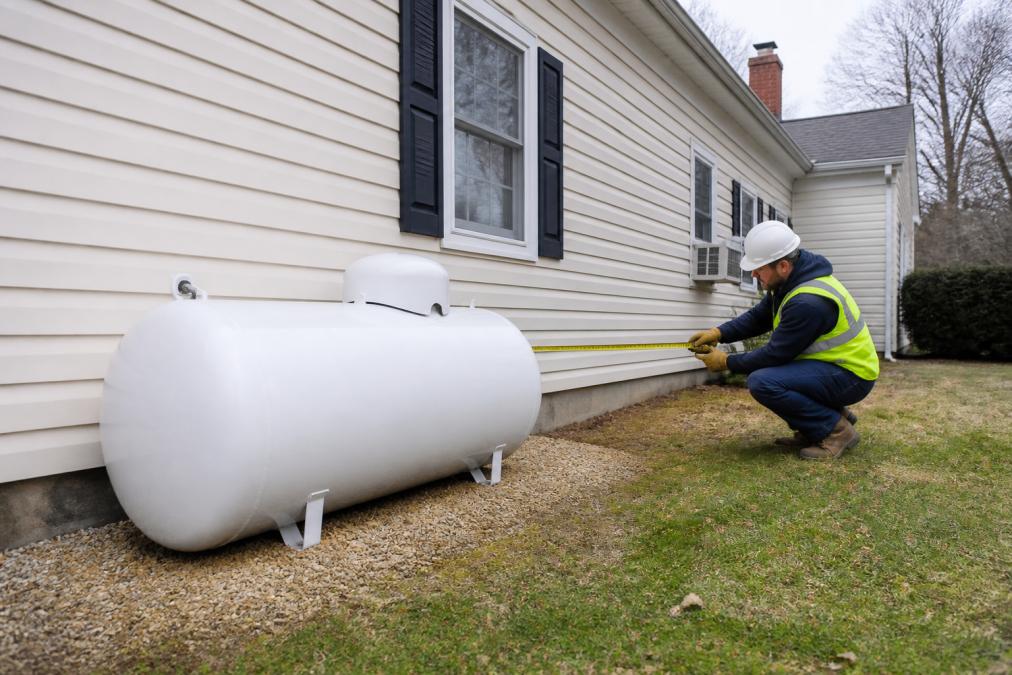
A 100-gallon tank typically serves homes using propane for cooking and water heating only, lasting several months between deliveries. A 250-gallon tank handles heating plus cooking and water heating for small to medium homes in moderate climates. Larger homes in cold climates often need 500-gallon or 1,000-gallon tanks to avoid frequent refills during winter. Sizing calculations consider your home’s square footage, insulation quality, climate zone, and which appliances use propane.
Installation location matters significantly. Above-ground tanks require placement on level, stable ground with proper clearance from structures, property lines, and utilities. Most jurisdictions require tanks to be at least 10 feet from windows and doors, 25 feet from water wells, and accessible for delivery trucks. Underground tanks offer aesthetic advantages and space savings but cost more to install and require proper soil conditions and drainage considerations.
Professional installation is non-negotiable. Technicians ensure proper grounding, pressure regulation, and connection to your home’s gas lines. They verify compliance with local building codes and safety standards. Poor installation creates leak risks, pressure problems, and potential safety hazards.
According to the National Propane Gas Association’s safety guidelines, proper tank installation and sizing are foundational to safe, reliable propane service. Most propane suppliers, including Discount Propane, can assess your home’s needs and recommend appropriate tank sizing before installation.
Never attempt DIY propane tank installation or relocation. Improper installation can cause gas leaks, pressure fluctuations, and safety hazards. Always hire licensed professionals.
Propane Tank Leasing vs. Owning: Cost and Flexibility
The decision to lease or own your propane tank significantly affects long-term costs and service flexibility.
Tank leasing means the propane company owns and maintains the tank. You pay a monthly or annual lease fee, typically modest, plus the cost of propane itself. The supplier handles all maintenance, inspections, and repairs. If the tank fails, they replace it at no cost. This model eliminates upfront capital investment and transfers maintenance responsibility to the supplier. Most residential customers lease tanks because it simplifies operations and spreads costs over time.
Tank ownership requires purchasing the tank outright, which costs several hundred dollars for a standard residential tank. You own the equipment permanently and can shop propane prices freely among suppliers. However, you’re responsible for all maintenance, inspections, and repairs. If the tank fails, you pay for replacement. Some customers prefer ownership because it eliminates monthly lease fees and provides long-term cost savings if they plan to stay in their home for many years.
The financial calculation depends on how long you’ll use the tank and local propane pricing. A customer planning to stay 10+ years might save money by owning. A customer who may relocate or prefers simplicity typically saves with leasing. Leasing also provides flexibility, if you switch suppliers, you simply return the leased tank.
Most propane providers require customers to lease their tanks as a condition of service, so ownership isn’t always an option. Discount Propane offers both leasing and ownership flexibility, allowing you to choose the arrangement that fits your situation.
| Tank Model | Upfront Cost | Monthly Cost | Maintenance | Best For |
|---|---|---|---|---|
| Leasing | None | Lease fee applies | Supplier handles | Renters, short-term residents |
| Owning | $400-$800 | None | You pay for repairs | Long-term homeowners, multiple properties |
Propane Safety Inspection Requirements and Maintenance
Propane systems require regular inspections to maintain safety and ensure reliable operation. Most jurisdictions mandate annual inspections, particularly if the system hasn’t been used for an extended period or after any service work.
Safety inspections verify several critical elements. Technicians check for gas leaks using specialized detection equipment, inspect tank condition for corrosion or damage, test pressure regulators and gauges, verify proper ventilation in appliance areas, and ensure all connections are secure and properly sealed. They also check that safety relief valves function correctly and that the system meets current safety codes.
Homeowners should perform basic maintenance between professional inspections. This includes visually inspecting the tank for rust or physical damage, checking that the area around the tank remains clear of debris and vegetation, ensuring proper clearance from structures and utilities, and testing appliance performance for any unusual odors or sounds. A rotten egg smell, the distinctive odor added to propane for safety, indicates a potential leak requiring immediate professional attention.
According to the Propane Code of Ethics safety standards, regular maintenance and inspection are essential for preventing accidents and ensuring system longevity. Most propane suppliers include annual inspections as part of their service, or can recommend certified technicians in your area.
Keep detailed records of all inspections and maintenance work. This documentation proves your system meets safety requirements and helps technicians identify patterns or recurring issues.
Converting from Heating Oil to Propane
Converting from heating oil to propane involves replacing your oil furnace or boiler with a propane-compatible system, installing propane supply lines, and potentially relocating or removing the old oil tank.
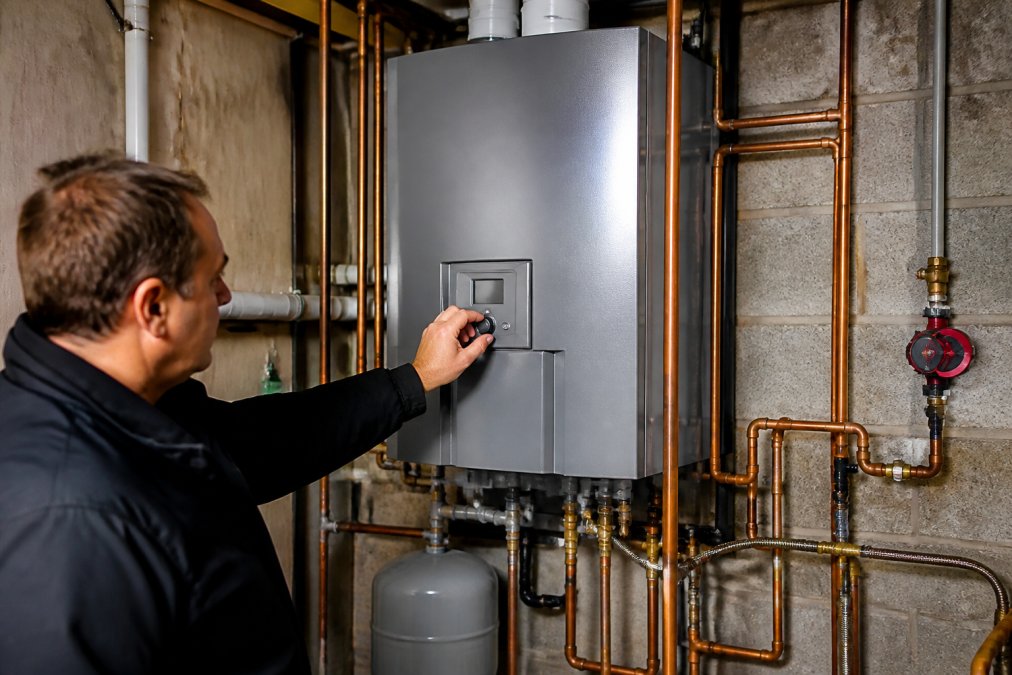
The conversion process typically requires hiring a licensed HVAC contractor experienced in propane system installation. They’ll assess your current heating system, recommend appropriate propane equipment, and handle all installation work. Modern propane furnaces and boilers operate efficiently and integrate easily with existing ductwork or radiator systems.
Several advantages make conversion attractive. Propane heating systems are generally more efficient than older oil systems, reducing energy consumption and heating costs. Propane burns cleaner than heating oil, requiring less frequent furnace maintenance and reducing environmental impact. You eliminate the need for oil tank maintenance and potential leak concerns. Propane systems also offer better temperature control and faster heat-up times compared to oil.
The conversion involves several components: removing or decommissioning the old oil tank, installing new propane supply lines from the meter to your furnace, upgrading or replacing the heating unit itself, and potentially installing a new propane tank if one isn’t already on your property. Total conversion costs vary widely based on your home’s condition, existing infrastructure, and equipment choices.
Discount Propane supports customers converting from oil to propane by providing reliable fuel supply and transparent pricing once your system is installed. Our flexible delivery options ensure consistent fuel availability as you transition from oil heating.
Many homeowners find the conversion pays for itself through heating cost savings within 5-7 years, particularly in northern climates with long heating seasons. Professional installers can provide detailed cost-benefit analysis specific to your property and local propane pricing.
Emergency Propane Refill and 24/7 Support
Winter emergencies happen. Unexpected cold snaps, equipment failures, or delivery delays can leave you without heat when you need it most. Reliable emergency propane service becomes critical during these situations.
Most propane suppliers offer 24/7 emergency refill service for existing customers, though response times vary. Some companies maintain local delivery fleets for rapid response, while others may require longer wait times during peak demand periods like cold snaps. Emergency service typically costs more than standard delivery, reflecting the urgency and after-hours dispatch requirements.
Discount Propane provides fast, flexible delivery scheduling designed to prevent emergencies in the first place. With transparent online pricing and easy ordering, you can schedule delivery when convenient rather than waiting until you’re critically low. Our direct, straightforward service model means no hidden fees or surprise charges when you need fuel urgently.
Planning ahead prevents most emergency situations. Automatic delivery systems monitor your tank and schedule refills before you run critically low. Regular manual tank checks, especially during heating season, alert you to usage patterns and help you request delivery before you’re desperate. Keeping your propane supplier’s contact information readily available ensures you can reach them quickly if an actual emergency occurs.
Emergency propane service exists for genuine emergencies, but prevention through monitoring and proactive delivery scheduling is far more reliable and cost-effective.
Conclusion
Residential propane delivery is a straightforward service when you understand your options and plan ahead. Whether you choose automatic delivery for convenience or will-call for flexibility, proper tank sizing, regular maintenance, and a reliable supplier ensure consistent fuel availability and safe operation.
Discount Propane makes the process simpler with upfront, transparent online pricing, flexible delivery scheduling, and secure account management. You see propane prices in real-time before ordering, schedule delivery on your timeline, and pay with your preferred method, credit card, cash on delivery, or Zelle. Get a propane price today and experience fast, convenient fuel delivery without hidden fees or commitments.
Frequently Asked Questions
How do I choose between automatic and will-call propane delivery?
Automatic delivery schedules propane refills based on your usage patterns and weather, ensuring you never run out during heating season. Will-call requires you to monitor your tank level and request delivery when needed. Choose automatic if you want convenience and peace of mind, especially during winter months. Will-call works best if you use propane seasonally or prefer control over delivery timing. Many homeowners find automatic delivery reduces the risk of unexpected run-outs, though will-call may suit those with flexible heating needs or lower consumption.
What are the main safety inspection requirements for residential propane tanks?
Residential propane tanks must comply with regulations set by the National Fire Protection Association (NFPA) and local building codes. Tanks require periodic inspections to check for leaks, corrosion, and proper valve function. Most jurisdictions require tanks to be inspected before installation and periodically thereafter, typically every 5-12 years depending on tank type and age. A certified technician should perform inspections to ensure all connections are secure and the tank meets current safety standards. Regular maintenance prevents gas leaks and ensures your system operates safely year-round.
Is it better to lease or own a propane tank?
Leasing a tank means the propane company maintains ownership and handles inspections and repairs at no extra cost. Owning a tank requires you to pay upfront for purchase and maintenance but may offer discounts on propane prices from some suppliers. Leasing provides flexibility if you move or change suppliers, while ownership locks you into one location. Calculate long-term costs based on your expected usage and length of stay. Many homeowners lease for convenience, while those planning to stay long-term may find ownership more economical over time.
Do propane delivery companies offer emergency refill services?
Yes, most propane delivery companies offer emergency refill services for customers who run out unexpectedly. Many provide 24/7 emergency support to address urgent heating needs, especially during winter months. Emergency refills typically cost more than scheduled deliveries and may have longer wait times depending on demand and service area. Contact your propane supplier in advance to confirm their emergency response time and availability. Having automatic delivery reduces the likelihood of needing emergency service, but knowing your supplier offers this option provides important peace of mind.
This article was written using GrandRanker