
Table of Contents
- Why Propane Prices Fluctuate: The Core Drivers
- Crude Oil and Natural Gas: The Primary Price Influences
- Seasonal Demand and Winter Heating Patterns
- Supply Chain Disruptions and Inventory Levels
- Factors Affecting Propane Supply and Demand
- Is Propane Cheaper Than Heating Oil?
- How to Lock in Propane Prices and Reduce Uncertainty
- Conclusion
- Frequently Asked Questions
Last Updated: August 31, 2026
Why Propane Prices Fluctuate: The Core Drivers
Propane prices fluctuate so often because they’re tied directly to global energy markets, seasonal demand swings, and supply chain dynamics that shift constantly. Understanding why propane prices fluctuate requires looking at how crude oil, natural gas, inventory levels, and weather patterns all intersect to move prices week to week, sometimes even day to day.
At Discount Propane, we track these market movements closely to help customers understand what’s driving costs in their area. The reality is straightforward: propane isn’t priced in isolation. It moves with broader energy commodity markets, and those markets respond to forces far beyond any single supplier’s control.
The core reason propane prices fluctuate is simple supply and demand economics. When demand spikes, typically in winter when heating needs surge, suppliers scramble to move inventory, and prices rise. When demand softens in spring and summer, prices typically fall. But that’s just the surface-level explanation. Beneath it sits a complex web of factors: crude oil prices, natural gas production levels, storage capacity, transportation logistics, geopolitical events, and seasonal weather patterns.
The best time to lock in propane pricing is typically in late summer or early fall, before winter demand drives prices higher. Many customers wait until they’re low on fuel, which means buying at peak-season prices.
Crude Oil and Natural Gas: The Primary Price Influences
Crude oil and natural gas prices are the biggest drivers of propane market volatility. Propane is produced as a byproduct of crude oil refining and natural gas processing, so when either of those commodities moves significantly, propane follows.
Crude oil influences propane pricing through the refining process. Refineries extract propane alongside gasoline, diesel, and other products. When crude oil prices rise, refining margins shift, and producers adjust how much propane they’re willing to supply to the market. A $10 jump in crude oil per barrel can ripple through propane costs within days. Conversely, when crude oil prices drop, propane supplies often increase as refineries boost production, which typically pushes propane prices lower, though the lag can be weeks.
Natural gas production ties directly to propane supply as well. Propane is extracted during natural gas processing. When natural gas drilling activity increases, propane production increases alongside it. This relationship means that geopolitical events affecting natural gas, like production disruptions in major exporting regions or pipeline constraints, can tighten propane supplies and drive prices up.
The relationship isn’t perfectly linear, but it’s consistent enough that energy traders watch crude oil and natural gas futures contracts as leading indicators for propane price direction. A major refinery shutdown, OPEC production decisions, or natural gas storage reports can all trigger propane price movements within hours.
Seasonal Demand and Winter Heating Patterns
Seasonal demand is perhaps the most predictable driver of propane price fluctuations. Winter heating season, typically November through March, creates a massive spike in propane consumption across residential and commercial properties. This seasonal surge is so significant that propane prices typically peak in winter and bottom out in summer.
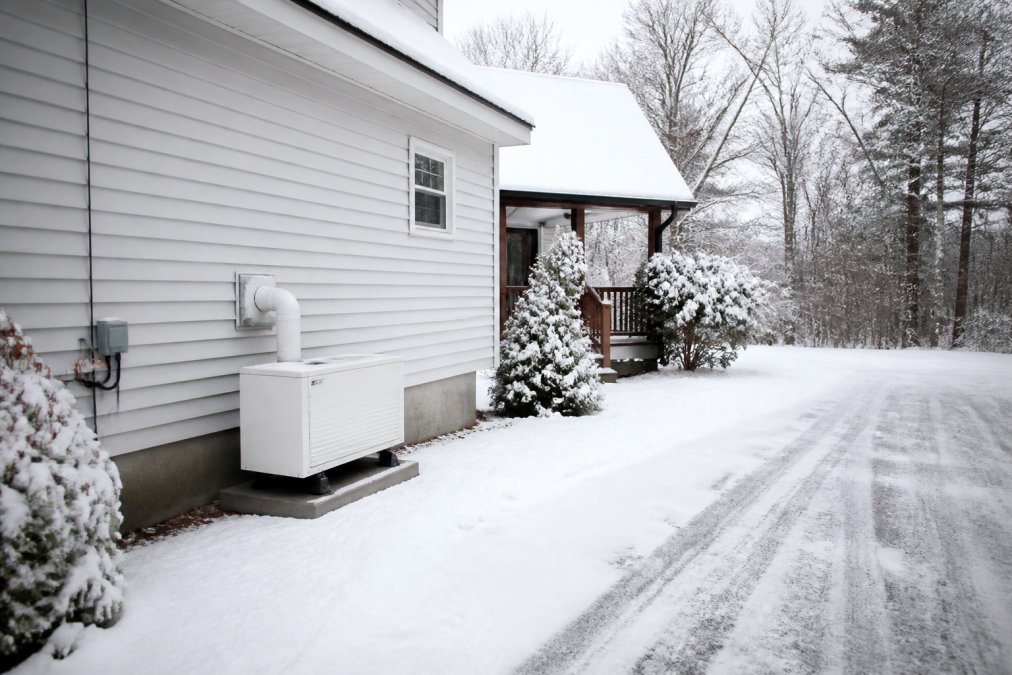
Heating degree days, a measure of how cold a winter is relative to a baseline temperature, directly correlate with propane consumption. A particularly cold winter means more propane burned for heating, which tightens supply and pushes prices higher. Weather forecasts become crucial in October and November; if meteorologists predict a harsh winter, propane prices often spike preemptively as customers and distributors rush to fill tanks before the cold arrives.
The seasonal pattern is so reliable that many customers use it strategically. Propane bought in July or August typically costs less than the same propane bought in January. However, this seasonal advantage requires planning, you need storage capacity and enough cash flow to buy when prices are low, which many residential and commercial customers can’t do.
Spring and summer demand drops sharply. Heating demand nearly disappears, and propane use shifts primarily to water heating, cooking, and industrial applications. This seasonal trough pushes prices down, sometimes to levels 30-50% lower than winter peaks. Agricultural operations and commercial users benefit from lower summer prices, but residential customers often miss the opportunity because their tanks are already full from winter.
[Running out of propane mid-winter is expensive](/how-to-prevent-running-out-of-propane/). If you wait until your tank is nearly empty to order, you’re forced to buy at peak-season prices. Many customers end up paying 40-60% more per gallon than they would have if they’d planned ahead in fall.
Supply Chain Disruptions and Inventory Levels
Propane prices fluctuate sharply when supply chain disruptions occur or when national inventory levels fall below seasonal norms. Inventory levels are tracked weekly by the Energy Information Administration, and these reports move propane futures prices immediately (eia.gov).
Storage facilities across the country hold strategic propane reserves. When inventory is high relative to seasonal demand, prices tend to be stable or declining. When inventory drops below historical averages for that time of year, prices spike as suppliers and distributors compete for limited stock. A major refinery outage, a pipeline constraint, or a transportation bottleneck can drain inventory quickly and drive prices up 20-30% in a matter of days.
Transportation and distribution costs add another layer to supply chain dynamics. Propane moves via pipeline, truck, and rail. When trucking capacity is tight, often during peak heating season when demand for all energy products surges, transportation surcharges increase. Winter weather also disrupts distribution. Ice storms, heavy snow, and hazardous road conditions can delay deliveries and create temporary local shortages, which push prices higher in affected regions.
Regional infrastructure matters significantly. Areas with limited pipeline access or distant from major storage hubs experience greater price volatility because supply is less flexible. Long Island, for example, relies heavily on truck delivery and barge transport from distant terminals, which means local propane prices can diverge from national averages during supply crunches.
Factors Affecting Propane Supply and Demand
Beyond crude oil, natural gas, and seasonal patterns, multiple factors influence the supply and demand balance that determines propane prices. Export demand has grown substantially over the past decade. The United States now exports significant volumes of liquefied propane to international markets, particularly during periods of strong global demand. When export demand is high, domestic supplies tighten and prices rise. Conversely, weak international demand can leave more propane available domestically, which can pressure prices downward.
Geopolitical instability also affects propane pricing. Conflicts in major oil and gas producing regions, sanctions on energy exports, or political instability that disrupts production can reduce global supply and push prices up worldwide. These shocks propagate through crude oil and natural gas markets first, then flow through to propane within days.
Industrial demand for propane as a petrochemical feedstock fluctuates with manufacturing activity. When industrial production is strong, petrochemical producers compete for propane supplies, which tightens markets. During recessions or manufacturing slowdowns, this demand disappears, leaving more propane available for heating and other uses.
The relationship between propane prices and crude oil is often measured as a ratio, sometimes called the propane-to-crude correlation. When this ratio widens, propane becomes relatively expensive compared to crude oil. When it narrows, propane becomes relatively cheap. Savvy buyers monitor this ratio to time their purchases strategically.
Is Propane Cheaper Than Heating Oil?
Whether propane is cheaper than heating oil depends on current market prices for both commodities and your heating system efficiency. Both fuels are commodity products, so their prices fluctuate together but not in lockstep. Historically, propane has often been cheaper than heating oil on a per-gallon basis, but the advantage shifts seasonally and year to year.
Propane typically delivers more BTUs (British thermal units) per gallon than heating oil, about 91,500 BTUs per gallon for propane versus 138,500 BTUs per gallon for heating oil (eia.gov). This means you use more propane by volume to deliver the same heat, which affects the cost comparison. A lower per-gallon price for propane doesn’t automatically mean lower total heating costs if your system burns propane less efficiently.
System efficiency matters as much as fuel price. Modern propane furnaces and boilers achieve 85-95% efficiency, while older heating oil systems often operate at 70-80% efficiency (energy.gov). A newer propane system can heat a home more cost-effectively than an older oil system, even if propane’s per-gallon price is slightly higher.
The conversion decision, switching from heating oil to propane, depends on your current system age, available storage space, and local propane availability. Many homeowners find that propane offers better long-term value because propane equipment is typically more efficient, requires less maintenance, and propane prices tend to be more stable than heating oil during winter months. However, the upfront conversion cost, installing a propane tank, new burner, and related equipment, typically ranges from several thousand dollars, which means you need a payback period of several years to justify the switch financially.
How to Lock in Propane Prices and Reduce Uncertainty

Propane prices fluctuate constantly, but you have strategies to reduce price uncertainty and protect yourself from peak-season spikes. The most direct approach is to lock in a price through a contract with your propane supplier. Many suppliers offer fixed-price contracts that guarantee a set price per gallon for a defined period, typically 12 months. This eliminates the risk of price spikes but requires committing to a supplier and potentially accepting a price that’s higher than market rates if prices fall during the contract period.
Pre-buy programs are another common strategy. You agree to purchase propane at a set price before the winter heating season begins, typically in late summer or early fall. This locks in prices before demand spikes. Pre-buy programs usually require a deposit and a minimum purchase commitment, but they offer significant savings compared to spot-market purchases during winter.
Automatic delivery programs remove the guesswork from propane management. Instead of waiting until your tank is nearly empty to call for delivery, automatic systems monitor your tank level and schedule deliveries based on usage patterns and seasonal demand forecasts. This approach ensures you’re never caught without propane during winter and allows you to take advantage of lower prices when they occur.
Discount Propane makes price transparency central to the ordering process. With upfront, real-time online pricing, you can see current propane prices before you order, no hidden fees, no surprise surcharges when the truck arrives. Easy online ordering lets you schedule delivery on your timeline, and flexible payment options including credit card, cash on delivery, and Zelle give you control over how and when you pay.
Understanding market cycles also helps. Propane prices typically bottom out in July and August, peak in January and February, and stabilize in spring and fall. If you have storage capacity and cash flow flexibility, buying extra propane in summer when prices are low can reduce your average cost across the year. However, this strategy only works if you have adequate tank capacity and can afford to pay upfront.
Hedging, a more sophisticated approach, involves using futures contracts or other financial instruments to lock in prices. This strategy is primarily used by large commercial and industrial propane users, not residential customers, but understanding the concept helps explain why propane prices move the way they do. Large users can lock in prices months in advance by purchasing futures contracts, which reduces their exposure to spot-market volatility.
The single most effective way to reduce propane price uncertainty is to plan ahead. Buy in summer when prices are low, lock in winter prices through pre-buy programs in fall, or switch to automatic delivery so you’re never forced to buy at peak prices.
Conclusion
Propane prices fluctuate because they’re driven by global commodity markets, seasonal demand patterns, and supply chain dynamics that shift constantly. Crude oil and natural gas prices, winter heating demand, inventory levels, transportation costs, and geopolitical events all influence what you pay at the pump. Understanding these drivers helps you anticipate price movements and plan your propane purchases strategically.
The good news is you’re not powerless against propane price volatility. Discount Propane gives you the tools to take control: real-time online pricing so you know exactly what you’ll pay before ordering, flexible delivery scheduling so you’re never forced to buy at peak prices, and secure account management across PC or phone. Get a propane price today and see how transparent pricing can help you lock in savings before winter arrives.
Frequently Asked Questions
What is the cheapest month to buy propane?
Late spring and early summer typically offer the lowest propane prices because heating demand drops sharply after winter. Prices start climbing in late August and September as contractors and homeowners prepare for the winter heating season. If you can schedule a fill-up in May or June, you’ll generally see better rates than during the peak winter months when supply is stretched thin.
How do crude oil prices affect propane prices where I live?
Crude oil is the primary driver of propane pricing in the energy markets. When crude oil prices rise, propane production costs increase, pushing retail prices up within weeks. The correlation is direct and immediate, a $10 per barrel jump in crude oil typically translates to noticeable increases at the pump. This is why monitoring global energy markets helps explain local price swings.
Can I actually lock in propane prices before winter?
Yes. Many propane suppliers offer price-lock contracts or pre-buy programs that let you fix a rate for the entire heating season. These programs typically require signing up in late summer or early fall before prices spike. The trade-off is that you commit to a set price regardless of whether market rates fall. This strategy protects you from sudden winter price spikes but removes the upside if prices drop unexpectedly.
Why do propane prices jump so much in winter?
Winter demand for heating spikes dramatically, straining storage facilities and distribution logistics across the supply chain. Cold weather also increases heating degree days, forcing suppliers to pull propane from storage faster than they can refill it. Combined with potential transportation delays from winter weather and limited refinery output during peak demand, prices surge to balance supply with demand. This seasonal volatility is predictable but steep.
This article was written using GrandRanker