
Table of Contents
- Is Renewable Propane Compatible With Existing Furnaces?
- Propane Furnace Compatibility: What You Need to Know
- Renewable Propane vs Conventional Propane: Key Differences
- How Renewable Propane Is Produced and Sourced
- Propane Furnace Conversion Kit Requirements
- Renewable Propane Availability for Residential Heating
- Making the Switch: Safety, Performance, and Next Steps
- Frequently Asked Questions
Last Updated: October 14, 2026
Is Renewable Propane Compatible With Existing Furnaces?
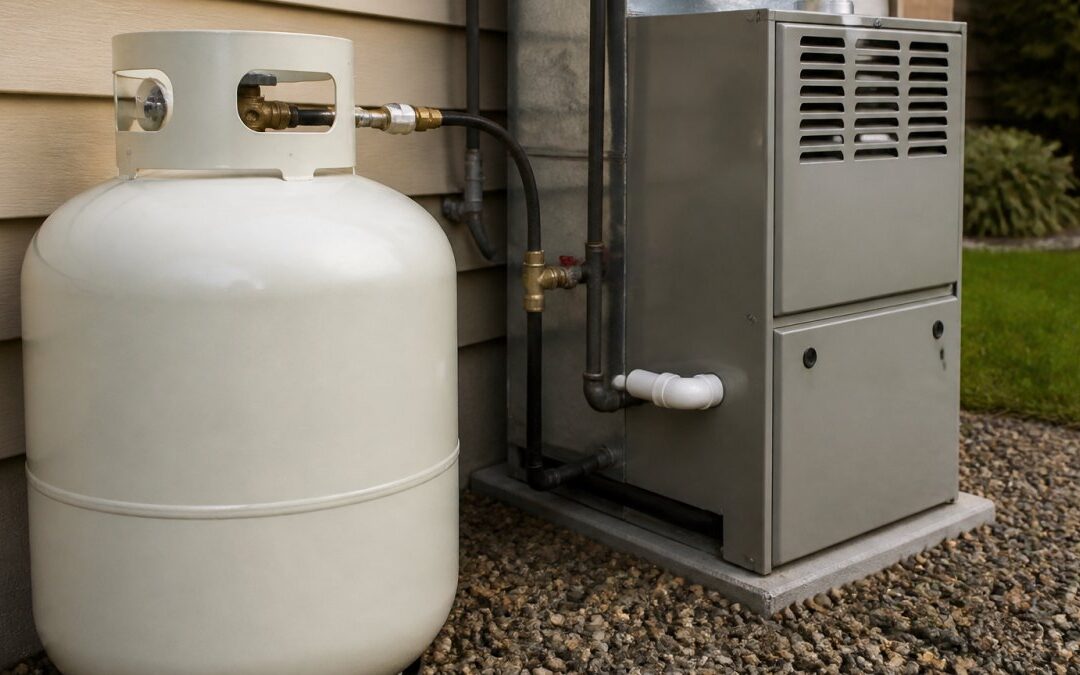
Yes, renewable propane is compatible with most existing furnaces. It’s chemically identical to conventional propane, so your current heating system can use it without modification in most cases, same burn, same heat output, same appliances and equipment.
But just because it can work doesn’t mean every furnace will accept it without verification. Some older systems, certain high-efficiency models, and furnaces with manufacturer restrictions may need a closer look.
The real question isn’t whether renewable propane compatibility exists, it does. It’s whether your furnace is ready.
Propane Furnace Compatibility: What You Need to Know
Most furnaces built in the last 20 years can burn renewable propane without equipment changes. Your furnace doesn’t care about the fuel source, only its properties: pressure, heat output, combustion characteristics, and burner flow.
Since renewable propane matches conventional propane in all these areas, the fuel itself poses no compatibility problem. Your burner, heat exchanger, and thermostat will all behave exactly as they do today.
The compatibility issue isn’t about the fuel. It’s about three things:
- Your furnace’s age and design, Older furnaces (pre-2000) sometimes have burner configurations that manufacturers haven’t explicitly approved for renewable propane, even though they’d likely work fine
- Manufacturer guidance, Some equipment makers restrict fuel sources in their warranty terms, which means you need written approval before switching
- Local code and inspection, Your jurisdiction may require a licensed technician to inspect and certify the conversion before renewable propane delivery begins
Check your furnace’s nameplate or manual for the manufacturer’s fuel recommendations, and call the manufacturer directly if you’re unsure. A five-minute call saves you from discovering a problem after the first delivery.
Renewable Propane vs Conventional Propane: Key Differences
Renewable propane and conventional propane are chemically identical, both are C₃H₈. They burn the same way, produce the same BTU output, freeze at the same temperature, and have the same vapor pressure.
The only real difference is the source.
Conventional propane comes from crude oil and natural gas extraction, a fossil fuel byproduct used for home heating for decades, and what your furnace was designed to burn.
Renewable propane comes from renewable feedstocks: animal fats, vegetable oils, agricultural waste, and other biomass. The conversion process produces the same molecule, but its carbon came from recently-living plants or animals rather than ancient oil reserves, which is why it’s considered carbon-neutral or low-carbon, depending on how you measure it.
For your furnace, this distinction changes nothing. Your heating system doesn’t distinguish molecules by origin, only that the fuel meets propane specifications for purity, pressure, and energy content.
From a performance standpoint, renewable propane compatibility with your furnace is identical to conventional propane compatibility. If your system works with one, it works with the other.
How Renewable Propane Is Produced and Sourced
Renewable propane starts with feedstock: used cooking oil, animal fat from meat processing, plant-based oils, and in some cases agricultural waste or algae.
Heat, pressure, and a catalyst convert these materials into propane through hydrogenation. The result is a molecule chemically identical to conventional propane, but with carbon from a renewable source.
Sourcing matters for environmental impact and carbon accounting, not for furnace compatibility.
Some renewable propane is produced domestically, some internationally, and availability varies by region and season. In some areas it costs more than conventional propane because supply is tighter and production smaller-scale; in others the price difference is negligible.
For residential heating on Long Island, renewable propane availability depends on your fuel supplier’s sourcing relationships. Not every delivery company carries it, some specialize in it, others don’t offer it at all. When you’re ready to switch, ask your supplier whether they have it in stock and what the sourcing and delivery timeline looks like.
Propane Furnace Conversion Kit Requirements
Most furnaces don’t need a conversion kit to burn renewable propane.
A conversion kit is hardware for switching between different fuel types, say, oil to propane, requiring new burners, fuel lines, controls, and safety equipment because the combustion characteristics differ completely.
Renewable propane to conventional propane? That’s not a conversion. It’s a fuel swap. Same fuel type, different source. Your existing burner, fuel lines, regulator, and controls all stay in place.
But ‘no conversion kit’ isn’t the same as ‘no verification.’ Chemical similarity doesn’t replace checking your specific furnace’s documentation. Before scheduling a delivery, work through this sequence:
- Read the furnace nameplate. The nameplate lists the fuel type, input BTU rating, manifold pressure, and orifice size the furnace was designed for. Confirm it says propane (LP) and note the model and serial number.
- Check the installation manual and fuel specifications. Look for the manufacturer’s approved fuel list, any warranty language about fuel sources, and the required gas pressure range. Some manuals specify only ‘HD-5 propane’ or reference ASTM D1835, the standard specification for liquefied petroleum gases.
- Call the manufacturer with your model and serial number. Ask directly whether renewable propane is an approved fuel for that unit and whether any warranty conditions apply. Get the answer in writing if you can.
- Have a licensed technician confirm the setup. The technician should verify manifold pressure, check the burner orifices, inspect the heat exchanger, and confirm the combustion air supply matches the installation manual.
Some situations do require professional inspection and possible adjustment:
- Furnace age. Systems older than 15-20 years may have components, gaskets, or controls that a technician should verify before the switch.
- High-efficiency and condensing furnaces. These units have tighter fuel and combustion-air requirements. Check the manual or call the manufacturer before assuming compatibility.
- Dual-fuel and hybrid systems. If your furnace is paired with a heat pump, the changeover controls and balance point settings should be reviewed so the system still cycles correctly.
- Local code and inspection. Many jurisdictions require a licensed technician to inspect and document a fuel switch before delivery begins. Check with your local building or fire authority.
Do not rely on ‘it’s the same molecule’ as your only compatibility check. The fuel may be chemically identical, but your furnace’s warranty, orifice sizing, and manifold pressure settings are tied to the manufacturer’s approved fuel list. Verify before you switch. Older heating systems often struggle to accommodate these technical adjustments, making it necessary to consider various gas furnace alternatives when your current equipment reaches the end of its reliable service life.
Renewable Propane Availability for Residential Heating
Renewable propane isn’t available everywhere yet. Availability depends on your region, supplier, and current production and distribution. Some parts of the country get it blended with conventional propane; others get it as a distinct product. On Long Island, availability is growing but not yet standard.
How supply actually reaches your tank
Most residential renewable propane moves through the same supply chain as conventional propane: production at a biorefinery, transport by rail or truck to a terminal, storage at a bulk plant, and bobtail delivery to your home.
Some suppliers sell renewable propane as a standalone product. Others sell blends, where renewable propane is mixed with conventional propane at a stated percentage. If you’re buying a blend, ask what the renewable content is and how it’s documented.
How renewable content is tracked
Renewable fuel pathways in the U.S. are tracked through renewable identification numbers (RINs) under the federal Renewable Fuel Standard (the EPA). Your supplier may be able to provide documentation showing the renewable content and the pathway used. This matters if you’re trying to claim environmental benefits or comply with a corporate or local sustainability goal.
What to ask before you commit
- Does your current supplier carry renewable propane, and is it standalone or blended?
- If not, which suppliers in your area do, and what is their delivery radius?
- What is the price per gallon compared to conventional propane, and does that price include any renewable content documentation?
- Is there a minimum order or annual commitment?
- How reliable is supply during peak heating season (typically November through March)?
- What happens if renewable propane is unavailable on a scheduled delivery, will the supplier substitute conventional propane, and at what price?
Cost and pricing structure
Renewable propane pricing varies by region, supplier, and contract type. In many markets it carries a premium over conventional propane because production is smaller-scale and feedstock costs are higher; state or utility incentives can narrow the gap in some markets.
Sequencing your switch
- Confirm your furnace is compatible (see the verification steps above).
- Call your current supplier and ask whether they carry renewable propane or a blend.
- If they don’t, get quotes from at least two suppliers who do, and ask for the documentation they provide.
- Confirm delivery logistics: tank size, access, minimum order, and winter reliability.
- Schedule your first delivery and keep the documentation with your furnace records.
Ask your propane supplier about their renewable propane sourcing before you commit to switching. A supplier with established renewable feedstock relationships and consistent inventory is far more reliable than one treating it as an occasional product. If supply is uncertain, a blend may be a practical interim step while standalone renewable propane availability improves in your area.
Making the Switch: Safety, Performance, and Next Steps
Switching to renewable propane is straightforward if your furnace is compatible and your supplier has reliable inventory:
Step 1: Get Your Furnace Inspected
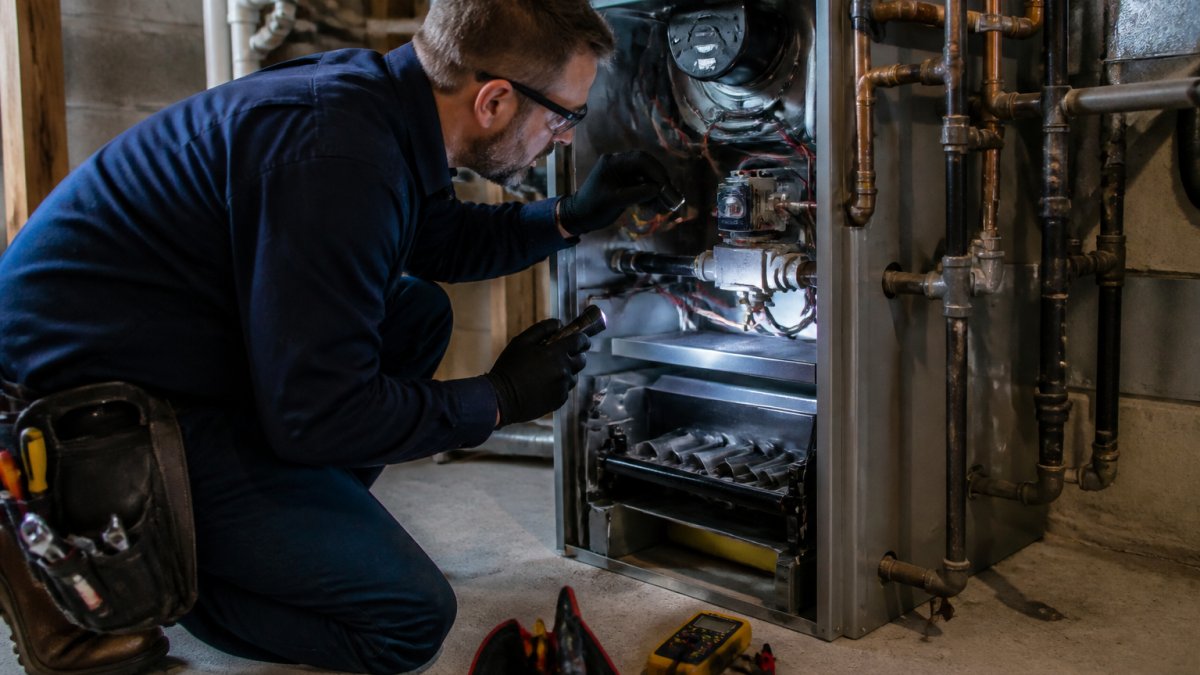
Have a licensed propane technician inspect your heating system. They’ll verify your furnace, burner, fuel lines, regulator, and controls are compatible with renewable propane.
Step 2: Confirm Your Supplier’s Renewable Propane Availability
Contact your current propane supplier and ask whether they carry renewable propane. Ask about:
- Current pricing compared to conventional propane
- Minimum order requirements
- Delivery timeline and consistency during winter
- Any special tank or equipment needs
If your current supplier doesn’t offer renewable propane, get quotes from suppliers who do.
Step 3: Arrange Your First Delivery
Once you’ve chosen a supplier and confirmed compatibility, schedule your first delivery online or by phone. You’ll provide your address, furnace details, and preferred delivery date.
Step 4: Monitor Performance
After your first delivery, watch for normal operation: smooth ignition, consistent heat output, no unusual smells or sounds.
What About Safety?
Renewable propane is as safe as conventional propane.
The only safety consideration is making sure your furnace is actually compatible before you switch. That’s why the inspection step matters.
Performance and Efficiency
Your furnace will perform identically on renewable propane, heat output, efficiency rating, and cycle time all the same.
Renewable propane compatibility with your furnace comes down to one simple fact: if your heating system burns conventional propane safely, it will burn renewable propane safely.
What matters is verification. Get your furnace inspected by a licensed technician. Confirm your supplier has reliable renewable propane inventory. Understand the cost and availability in your area.
Whether you’re switching to renewable propane or staying with conventional propane, we can help you get transparent pricing, easy online ordering, and fast delivery.
Frequently Asked Questions
Can you run an existing furnace on renewable propane?
Yes, existing furnaces designed for propane can run on renewable propane without modification. Renewable propane is chemically identical to conventional propane, so it burns the same way in gas-fired equipment. Your furnace will perform identically whether it uses renewable or conventional propane. No changes to combustion settings, burner configuration, or safety systems are required.
Is renewable propane chemically the same as conventional propane?
Renewable propane and conventional propane are chemically identical. Both contain the same propane molecule (C₃H₈) and produce the same heat output and combustion characteristics. The difference lies in the source: renewable propane comes from renewable feedstocks like agricultural waste and animal fats, while conventional propane is extracted from crude oil and natural gas. This similarity means existing furnaces, water heaters, and appliances work without any adjustment.
Do you need to modify a furnace to use renewable propane?
No modifications are needed if your furnace is already set up for propane. Since renewable propane is chemically identical to conventional propane, your furnace’s burner, ignition system, and controls operate exactly as designed. However, if you’re converting a furnace from oil or natural gas to propane for the first time, you’ll need a conversion kit installed by a qualified technician. Always verify your furnace manufacturer’s specifications before switching fuel sources.
Is renewable propane available for residential heating?
Renewable propane availability depends on your location and fuel supplier. While production capacity for renewable propane has grown, it is not yet universally available through all residential delivery services. Availability varies by region and supplier. Contact your propane provider directly to ask whether they offer renewable propane for residential heating. Some suppliers can blend renewable and conventional propane, while others may require a dedicated supply arrangement.