
Table of Contents
- Propane vs Electric Heating: Side-by-Side Comparison
- Propane vs Electric Heat Cost: What You’ll Actually Pay
- Heating Efficiency and Performance
- How Long Does 100 Gallons of Propane Last for Heating
- Propane vs Heat Pump: Electric Heating Options Explained
- Switching from Electric Heat to Propane: What to Know
- Environmental Impact and Emissions
- Maintenance, Reliability, and Total Cost of Ownership
- Making Your Decision
- Frequently Asked Questions
Last Updated: October 8, 2026
Propane vs Electric Heating: Side-by-Side Comparison
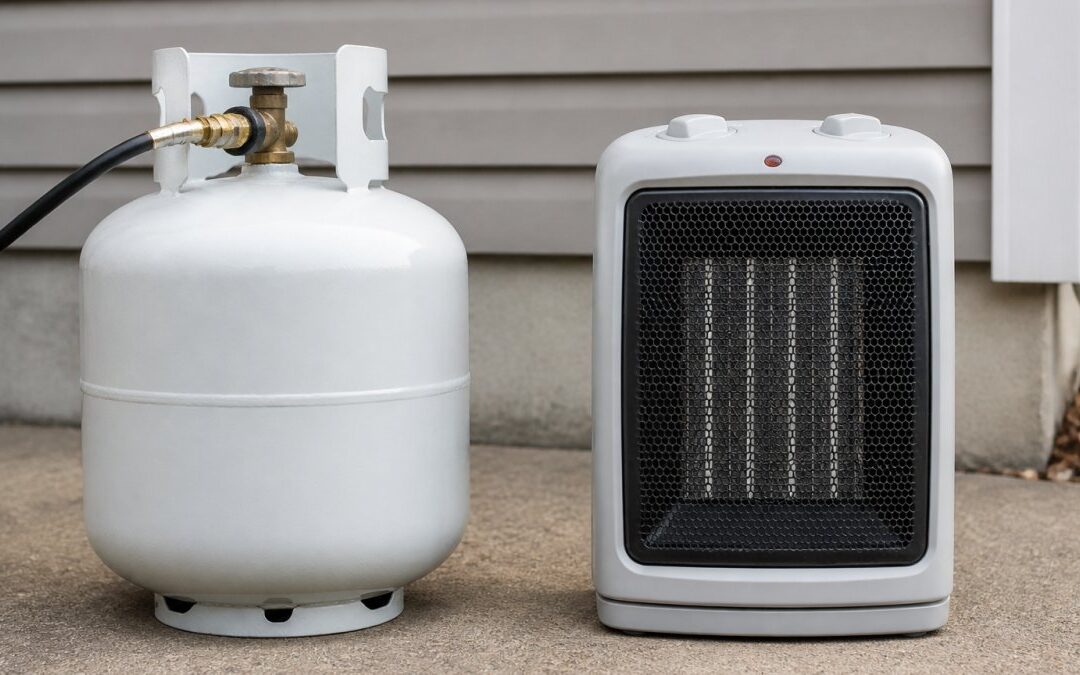
When deciding on propane vs electric heating for your home, the choice comes down to three core factors: upfront costs, operating expenses, and performance in cold climates. Both fuel types have distinct advantages. Propane delivers intense, fast heat but requires fuel delivery logistics. Electric heating offers simplicity and lower maintenance but often costs more to operate, especially during harsh winters.
The right choice depends on your existing infrastructure, local fuel availability, and how you prioritize comfort against long-term expenses.
Quick Comparison Table
| Factor | Propane | Electric |
|---|---|---|
| Heating Speed | Fast, intense warmth | Slower to heat spaces |
| Installation Cost | Higher (tank, lines, venting) | Lower (uses existing wiring) |
| Operating Cost | Varies with fuel delivery | Depends on local electricity rates |
| Cold-Climate Performance | Excellent, consistent output | Struggles below freezing |
| Maintenance | Annual inspections, tank checks | Minimal, no fuel handling |
| Environmental Impact | Carbon emissions from combustion | Emissions depend on grid energy source |
| System Lifespan | 15-20 years (furnace) | 15-25 years (heat pump) or 10-15 (resistance) |
Propane vs Electric Heat Cost: What You’ll Actually Pay
The real cost of propane versus electric heating isn’t just about the monthly bill.
Propane furnaces typically require higher upfront installation costs because you’re buying or leasing a tank, running fuel lines through your home, and installing proper venting.
Operating costs shift based on local propane and electricity prices. Propane pricing fluctuates with crude oil markets and delivery logistics. Electricity rates depend on your utility company and time-of-use pricing structures.
One factor many homeowners overlook: propane delivery fees. Discount Propane simplifies this with transparent, upfront pricing so you see the total cost before you order, no hidden fees added when the truck arrives.
Heating Efficiency and Performance
AFUE Ratings and Energy Conversion
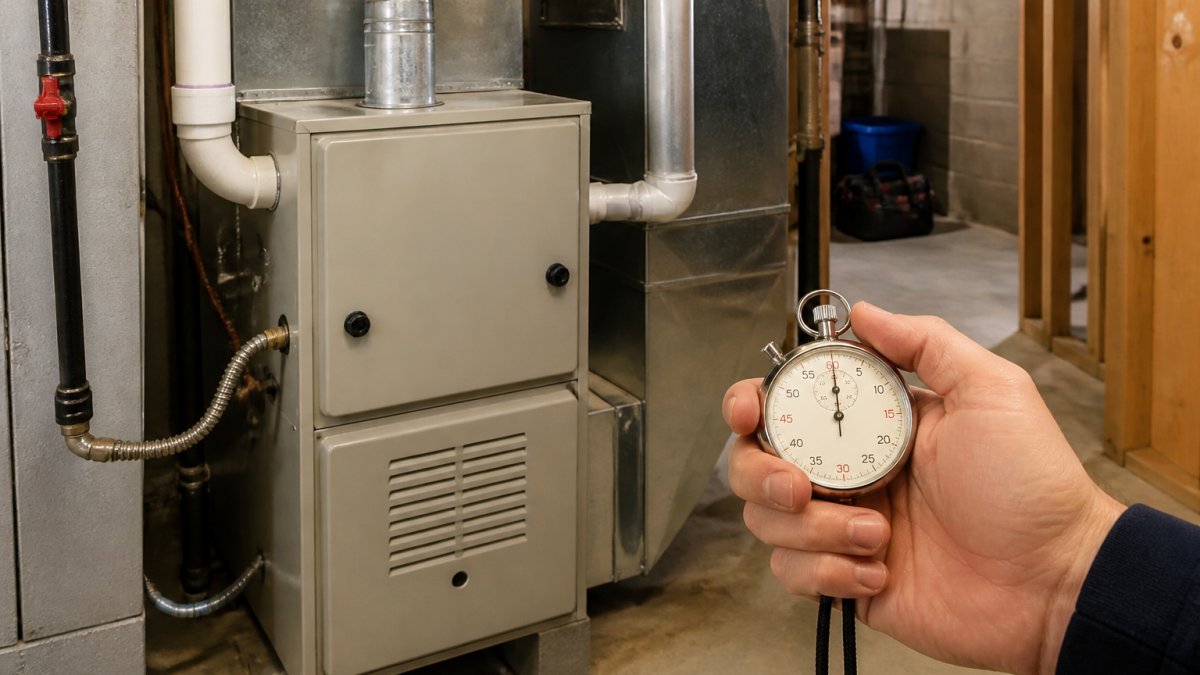
Modern propane furnaces typically achieve 90-98% AFUE. Older units (pre-2000) often run at 65-80% AFUE, wasting significant fuel and money. Electric resistance heating (baseboard units, space heaters) achieves near 100% efficiency at the point of use, electricity converts almost entirely to heat.
Heat pumps, an electric alternative, operate differently. They use a Coefficient of Performance (COP) rather than AFUE. A heat pump with a COP of 3.0 delivers 3 units of heat for every 1 unit of electricity consumed. In moderate climates, this is highly efficient.
Cold-Climate Performance
Propane furnaces maintain consistent output even when outdoor temperatures plummet. They burn fuel to create heat, so external temperature has minimal impact on their ability to warm your home. This reliability is why propane dominates in regions with harsh, extended winters.
Electric resistance heating struggles in cold climates. As outdoor temperature drops, electric heaters must run continuously to maintain indoor warmth, driving electricity consumption and costs upward. The system doesn’t degrade, but the workload intensifies dramatically.
Heat pumps face a real limitation below 32°F. Their heating capacity declines as outdoor temperature falls. Below 10°F, most heat pumps need backup resistance heating to maintain comfort. This dual-system approach defeats some of the efficiency advantage.
How Long Does 100 Gallons of Propane Last for Heating
The duration of 100 gallons of propane depends on your furnace’s BTU output, how often it runs, and outdoor temperature.
A typical residential propane furnace burns 3-5 gallons per day during active heating season. At this rate, 100 gallons lasts roughly 20-33 days. However, this assumes consistent heating demand. On milder days when your thermostat reaches setpoint quickly, consumption drops.
Several variables affect consumption:
- Furnace size: Larger BTU output burns more fuel per hour of operation
- Home insulation: Better insulation reduces heating demand and extends fuel duration
- Thermostat settings: Each degree lower saves roughly 3% on heating fuel
- Outdoor temperature: Sustained subzero weather dramatically increases consumption
For planning purposes, assume 100 gallons covers 3-4 weeks of winter heating in a moderately insulated home. If you rely on propane for water heating and cooking too, fuel depletion accelerates.
Propane vs Heat Pump: Electric Heating Options Explained
When comparing propane to electric heating, you’re really choosing between propane furnaces and two different electric systems: heat pumps or electric resistance heating.
Heat Pump Performance in Cold Weather
Heat pumps extract warmth from outdoor air (even in cold conditions) and move it indoors. They’re efficient in moderate climates but face real challenges in deep winter.
A cold-climate heat pump is rated to operate down to 0°F or lower, but efficiency drops significantly as temperature falls. At -10°F, a standard heat pump delivers only 50-60% of its rated heating capacity.
The result: your heating bill includes both the efficient heat pump operation and the less-efficient resistance heating running simultaneously.
Heat pumps excel in climates where winter temperatures rarely drop below 20°F. In New York, where sustained subzero stretches are common, heat pumps work best paired with a secondary propane or gas furnace.
Resistance Heating vs Propane
Electric resistance heating (baseboard units, wall heaters, or built-in resistance in heat pumps) converts electricity directly to heat with nearly 100% efficiency at the point of use. It’s simple, requires no fuel delivery, and demands minimal maintenance.
The catch: electricity costs more per BTU than propane in most regions. Resistance heating running 24/7 during winter generates substantial electric bills.
Propane furnaces cost more upfront but deliver lower per-BTU operating costs, especially in areas with favorable propane pricing. The trade-off: you depend on fuel delivery logistics and must maintain tank and furnace systems.
For many homeowners, propane furnaces paired with a small electric resistance backup (or baseboard) offer the best balance of performance and cost.
Switching from Electric Heat to Propane: What to Know
Converting from electric resistance heating to propane requires more than just swapping equipment. You’re changing how heat enters your home, which affects infrastructure, safety, and long-term costs.
Conversion Costs and Installation
A conversion typically involves these expenses:
- Propane furnace unit (equipment cost)
- Tank installation or lease agreement
- Fuel lines, venting, and ductwork modifications
- Electrical work to connect the furnace and controls
- Permits and inspections (required in most jurisdictions)
Total conversion costs range widely based on your home’s layout, existing ductwork, and local labor rates.
Before converting, confirm your home has adequate space for a propane tank (above-ground or buried). Check local zoning codes, some areas restrict tank placement. Verify your insurance covers propane heating; some policies require specific safety certifications.
System Compatibility and Infrastructure
Your existing ductwork from an electric furnace often works with a propane furnace, though you may need to adjust duct sizing and airflow balance.
Propane furnaces need proper venting to safely expel combustion byproducts. This requires a flue pipe running to your roof or exterior wall. Electric systems don’t produce combustion byproducts, so venting isn’t needed. Plan for this structural change during conversion.
Safety is paramount. Propane systems require annual inspections, proper ventilation, and carbon monoxide detection. These maintenance steps are non-negotiable. Electric systems need none of this, making them simpler to operate but potentially more expensive to run.
Environmental Impact and Emissions
Propane combustion releases carbon dioxide and water vapor. The carbon footprint depends on how much propane you burn and the efficiency of your furnace.
Electric heating’s environmental impact depends on your grid’s energy mix. If your electricity comes from renewable sources (wind, solar, hydro), electric heating is cleaner than propane.
Heat pumps are generally lower-emission than resistance heating because they move heat rather than generate it. However, their cold-weather reliance on backup resistance heating reduces this advantage in harsh climates.
Propane is considered a clean-burning fuel compared to heating oil, producing fewer sulfur compounds and particulates. It’s not carbon-neutral, but it’s a practical choice for homes without access to natural gas or renewable electricity.
Maintenance, Reliability, and Total Cost of Ownership
System Lifespan and Durability
A well-maintained propane furnace typically lasts 15-20 years. Annual inspections, filter changes, and burner cleanings extend this lifespan. Neglect accelerates wear and reduces efficiency.
Electric resistance heating has no moving parts, so it’s inherently durable. Baseboard heaters and wall units often last 20-30 years with minimal maintenance. Heat pumps, which have compressors and refrigerant circuits, typically last 15-25 years but require professional service for refrigerant leaks or compressor failure.
Repair Costs and Service Requirements
Propane furnaces need annual professional maintenance: burner inspection, heat exchanger check, and safety testing. This costs $150-300 yearly. Repairs, blower motor replacement, ignition system fixes, run $300-1,500 depending on the part.
Electric resistance heating requires virtually no maintenance. Heat pump repairs are expensive (compressor replacement can cost $1,500-2,500) but infrequent if the system is well-maintained.
Over 20 years, total cost of ownership includes equipment, installation, fuel, maintenance, and repairs. Propane systems often win in cold climates where fuel efficiency translates to meaningful savings.
Discount Propane supports this decision by offering transparent, upfront pricing so you can calculate your actual fuel costs before committing.
Making Your Decision
Choose propane if you live in a climate with sustained cold winters, have space for a tank, and want reliable, intense heat. Propane furnaces deliver consistent warmth and typically cost less to operate in harsh conditions.
Choose electric heating if you prefer simplicity, live in a mild climate, or have access to affordable, renewable electricity. Heat pumps offer efficiency in moderate zones; resistance heating works for supplemental warmth or mild climates.
For most New York homeowners, propane furnaces paired with a small electric backup represent the practical middle ground: excellent cold-weather performance with reasonable operating costs and manageable maintenance.
Frequently Asked Questions
Is it cheaper to heat your house with propane or electric?
Cost depends on local fuel prices, system efficiency, and your home’s heating needs. Propane typically delivers more heat per unit of energy than electric resistance heating, but electricity rates and propane availability vary significantly by region. To compare accurately, check current propane and electricity rates in your area, then calculate annual operating costs based on your home’s BTU requirements and the AFUE rating of your heating system. Discount Propane offers real-time pricing so you can see current propane costs before committing to any order.
How long do 100 gallons of propane last to heat a house?
The duration of a 100-gallon propane tank depends on winter severity, home insulation, thermostat settings, and heating system efficiency. A well-insulated home with an efficient furnace (high AFUE rating) will use propane more slowly than a drafty older home. Cold winters and frequent temperature dips below freezing consume fuel faster.
What are the downsides of using propane for heating?
Propane heating requires a storage tank (on-site or underground), regular fuel delivery coordination, and periodic maintenance of the furnace and combustion system. Propane prices fluctuate with global energy markets, so your heating bills can vary month to month. You also depend on reliable delivery service, especially during winter, supply delays can leave you without heat. Installation costs for a new propane system are higher than electric resistance heating. Additionally, propane combustion produces greenhouse gas emissions and requires proper venting to prevent carbon monoxide buildup.
Is it worth switching from electric to propane?
Switching makes sense if propane costs less per BTU than your current electricity rates, your home’s heating demands are significant, and you have reliable delivery access. The payback period depends on installation costs, your current heating bills, and the price difference between propane and electricity in your area. Homes with poor insulation or high heating needs benefit more from propane’s higher heat output. However, if you’re considering a heat pump instead of electric resistance heating, a modern heat pump may offer better efficiency and lower operating costs than propane in moderate climates. Calculate your total cost of ownership, including installation, annual fuel costs, and maintenance, before deciding.
How does propane heating compare with electric heat in cold weather?
Propane furnaces maintain consistent heating performance even in extreme cold, delivering full BTU output regardless of outdoor temperature. Electric resistance heating also works reliably in cold weather but consumes more electricity to produce the same heat, raising operating costs. Heat pumps, a type of electric heating, lose efficiency as temperatures drop below 32°F and often require a backup electric resistance heater during severe cold. In climates with frequent sub-zero temperatures, propane typically provides more cost-effective heating than electric resistance or heat pumps alone. However, modern cold-climate heat pumps have improved performance and may still compete with propane in milder regions.
Ready to explore propane heating for your home? The U.S. Department of Energy provides guidance on choosing home heating systems to help you evaluate your options. Discount Propane makes the process simple with real-time pricing and flexible delivery scheduling. Get a propane price quote today and see exactly what heating fuel costs before you decide.