

Table of Contents
- Why Local Propane Customer Service Matters
- Faster Response Times and Emergency Propane Delivery Response
- Personalized Attention vs. National Chain Service Models
- How to Choose a Propane Supplier That Fits Your Needs
- Propane Tank Maintenance Services and Safety Standards
- Switching Providers: A Step-by-Step Guide
- Local Propane Delivery and Environmental Responsibility
- Conclusion
Last Updated: August 14, 2026
Why Local Propane Customer Service Matters
When your heating system fails in January, you don’t want to wait three days for a response. Local propane customer service isn’t just about friendliness, it’s about survival, reliability, and peace of mind. Choosing a local propane supplier means dealing with people who understand your specific climate, your equipment, and your neighborhood’s unique heating demands.
The difference between local and national propane service comes down to responsiveness and accountability. A local provider has skin in the game. They live in your community, their reputation depends on word-of-mouth referrals, and they can’t hide behind a 1-800 number when something goes wrong. Many homeowners and contractors find that local propane customer service delivers faster emergency response, personalized account management, and genuine expertise about the heating challenges specific to your area.
This matters especially for construction contractors managing job site heaters, industrial facilities running forklifts, and homeowners converting from oil to propane. When you’re depending on consistent fuel supply, the relationship you build with your supplier becomes critical. Below, we’ll break down exactly why local propane customer service advantages matter, how to evaluate suppliers, and what to watch for when making the switch.
Faster Response Times and Emergency Propane Delivery Response
Emergency propane delivery response separates local suppliers from the national chains. When you call a local company at 6 a.m. on a Saturday because your heat went out, you’re talking to someone who can actually dispatch a truck within hours, not days. A local propane supplier typically maintains smaller service areas, which means their delivery trucks are closer to your location and their dispatch team can prioritize urgent calls more effectively.
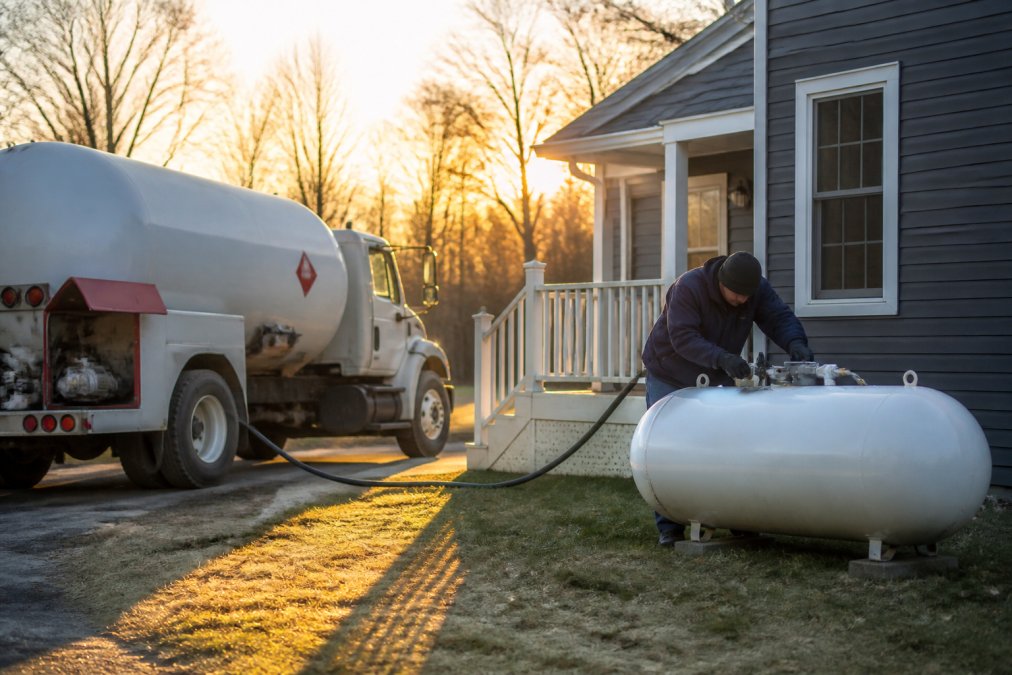
Response time becomes the difference between discomfort and a genuine crisis. Contractors managing construction sites with job site heaters can’t afford to lose a full day of work because propane ran out. Industrial facilities running forklifts or backup generators need fuel on demand. Residential customers with families and elderly relatives need heat restored before temperatures drop dangerously. A local propane supplier understands these stakes and builds their operations around meeting them.
National chains often consolidate dispatch across multiple regions, which means your emergency call gets routed through a central system, assigned to whoever happens to be available, and scheduled based on geographic efficiency rather than urgency. A local company, by contrast, has dedicated technicians who know your area’s geography intimately. They know which roads flood in spring, where traffic backs up, and which neighborhoods they can reach fastest. That local knowledge translates directly into faster arrival times when you need emergency propane delivery response most.
Personalized Attention vs. National Chain Service Models
Personalized attention from a local propane supplier means your account isn’t just a number in a massive database. When you call, the person answering the phone likely knows your account history, your heating system, and your typical usage patterns. They can make recommendations based on your specific situation, not a one-size-fits-all script.
National chains operate on volume and standardization. Their customer service reps follow protocols designed to move calls quickly. They can’t deviate from the script, they don’t have access to detailed information about your equipment, and they have no authority to make exceptions or negotiate on pricing. A local propane supplier, by contrast, has flexibility. The owner or manager actually talks to customers. They can discuss your heating needs, suggest delivery schedules that match your consumption, and work with you on account management details that a national chain would simply reject.
This personalized approach matters especially for contractors and industrial customers with complex needs. If you’re running multiple job sites, you need a supplier who understands your seasonal demand fluctuations, your equipment specifications, and your billing preferences. A local propane supplier can build a service plan around your actual operations, not force you into their standard packages. They’ll also remember your preferences, the best time to deliver, your preferred payment method, and any special handling your equipment requires.
For homeowners converting from oil to propane, personalized attention means getting advice from someone who understands the conversion process in your specific situation. A local supplier knows which contractors in the area do quality work, what typical conversion costs look like, and how to set up automatic delivery based on your home’s heating efficiency. They’re invested in your success as a customer because your satisfaction directly affects their reputation in the community.
How to Choose a Propane Supplier That Fits Your Needs
Choosing the right propane supplier requires evaluating several key factors beyond just price. Start by assessing response time expectations. Ask potential suppliers directly: what’s their average emergency response time, and how do they staff their dispatch? A local propane supplier should be able to give you specific numbers, "we typically respond to emergency calls within two hours" is a real answer, while "we prioritize urgent requests" is vague.
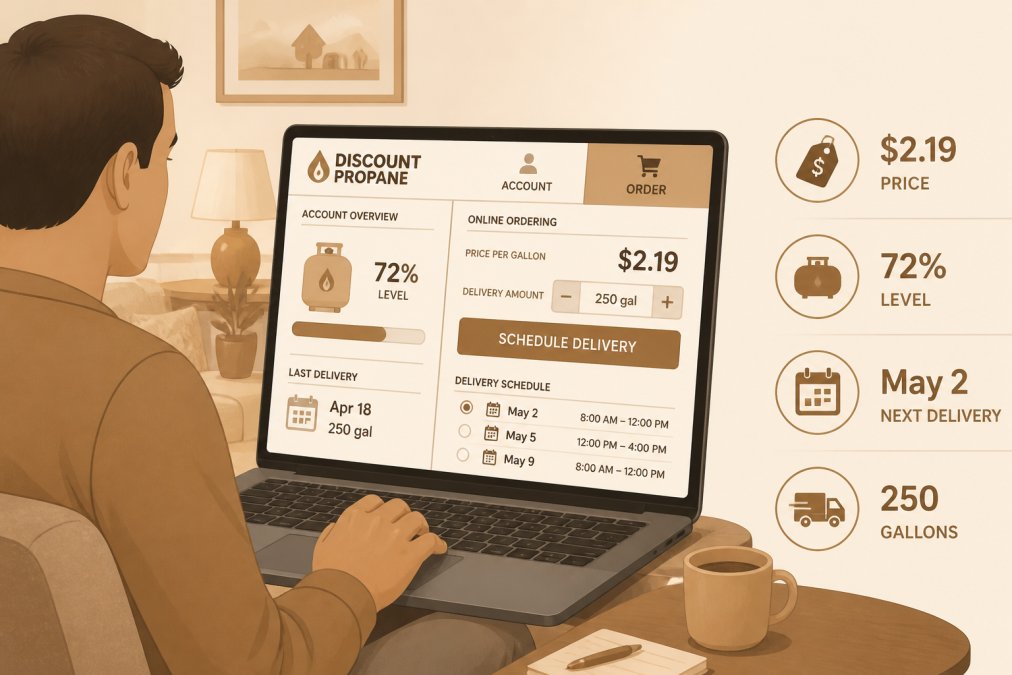
Next, evaluate their account management systems. Can you check your tank level online? Can you schedule delivery through their website or app? Can you make payments electronically? A modern local propane supplier should offer these conveniences, they’re not luxuries anymore, they’re standard expectations. Ask about their payment options too. Do they accept credit cards, cash on delivery, or electronic transfers like Zelle? Flexible payment options make account management easier, especially for contractors managing multiple properties.
For contractors and industrial customers, ask about their ability to handle regular, scheduled deliveries. Can they set up automatic delivery based on your consumption patterns? Do they have experience with construction site heaters, forklifts, or the specific equipment you’re running? A local propane supplier who’s worked with similar customers can offer insights about fuel consumption, seasonal demand, and cost optimization that a national chain simply won’t provide.
Check their tank maintenance and safety practices. Do they offer propane tank maintenance services? Can they handle inspections, repairs, and compliance with safety standards? A supplier who takes tank maintenance seriously demonstrates their commitment to customer safety and equipment longevity. Ask about their technician expertise, have they worked with your heating system type? Do they understand oil-to-propane conversions if that’s relevant to your situation?
| Evaluation Factor | What to Ask | Why It Matters |
|---|---|---|
| Emergency Response | Average response time for urgent calls | Determines how quickly you get heat or fuel in a crisis |
| Online Account Management | Can you check tank levels and schedule delivery online? | Reduces phone calls and gives you control over your account |
| Tank Maintenance Services | Do they offer inspections, repairs, and safety compliance? | Ensures your equipment stays safe and reliable |
| Technician Expertise | Experience with your specific heating system or conversion needs? | Translates to better service and relevant recommendations |
| Payment Flexibility | Credit cards, cash on delivery, Zelle, or other options? | Makes account management convenient and reduces friction |
| Service Area | Can they reliably deliver to all your locations? | Ensures consistent fuel supply across your properties |
Propane Tank Maintenance Services and Safety Standards
Propane tank maintenance services are non-negotiable for safe, reliable fuel supply. Regular inspections catch problems before they become dangerous. A local propane supplier should offer tank inspections as part of their service, checking for corrosion, valve function, and safety compliance. These inspections aren’t just about following regulations, they extend your tank’s lifespan and prevent costly failures.
Safety standards for propane tanks are established by federal regulations and industry standards. The DOT (Department of Transportation) sets requirements for tank construction and maintenance. A reputable local propane supplier stays current with these standards and ensures their technicians understand them. When you ask a potential supplier about their safety practices, they should be able to explain their inspection schedule, their technician certification, and how they handle tanks that fail inspection.
For homeowners converting from oil to propane, tank installation becomes critical. The supplier should handle or coordinate the installation with a certified contractor. They should explain the tank placement requirements, the safety clearances needed, and the inspection process. A local propane supplier familiar with oil-to-propane conversions in your area knows the local code requirements and can guide you through the process smoothly.
Industrial customers running forklifts or generators need suppliers who understand cylinder exchange protocols and safety procedures. A local propane supplier experienced with commercial propane operations can set up efficient cylinder exchange systems, maintain safety compliance, and respond quickly when you need emergency fuel supply. They’ll also track your fuel consumption patterns and suggest delivery schedules that prevent run-outs while minimizing storage costs.
Switching Providers: A Step-by-Step Guide
Switching propane suppliers might seem complicated, but the process is straightforward when you approach it methodically. Start by identifying your current supplier and reviewing your account details, tank size, current delivery schedule, outstanding balance, and any service contracts. Understanding your current situation makes the transition smoother.
Next, research local propane suppliers in your area. Get quotes from at least two or three companies. When you request a quote, provide your tank size, typical monthly usage, and delivery frequency. Ask about their current pricing, any promotional offers, and what their service includes. A transparent local propane supplier should give you clear pricing without hidden fees or surprise surcharges. Many suppliers offer free price checks online, take advantage of these to compare options without commitment.
Once you’ve chosen a new supplier, contact them to start the switching process. They’ll typically handle most of the logistics. They’ll coordinate with your current supplier to arrange tank pickup or transfer, set up your new account, and schedule your first delivery. The key is making sure there’s no gap in your fuel supply, time the switch so your new supplier’s first delivery arrives before your current tank runs low.
Before the switch, notify your current supplier that you’re leaving. Some suppliers require notice, and you want to ensure they schedule final billing and tank pickup properly. Ask about any early termination fees or contract penalties. A local propane supplier should be straightforward about these, if they’re not, that’s a red flag about their business practices.
For contractors managing multiple job sites, switching becomes more complex. You’ll need to coordinate delivery schedules across all locations and ensure the new supplier can handle your volume and timing requirements. A local propane supplier experienced with commercial customers can work with you to create a transition plan that keeps all your sites supplied throughout the switch.
Local Propane Delivery and Environmental Responsibility
Local propane delivery offers environmental advantages that centralized, long-haul distribution can’t match. When your propane supplier is local, their trucks don’t travel hundreds of miles for each delivery. Shorter delivery routes mean less fuel consumption, lower emissions, and reduced environmental impact. This matters increasingly to contractors and businesses evaluating their sustainability practices.
Propane itself is a cleaner-burning fuel than heating oil, which is why many homeowners convert from oil to propane. But the environmental benefit multiplies when you choose a local supplier. The fuel travels shorter distances, reducing transportation emissions. Local suppliers also tend to be more invested in their community’s environmental practices, they’re less likely to cut corners on tank maintenance or safety if it affects their neighbors’ air and water.
For industrial facilities and construction sites, choosing a local propane supplier aligns with broader sustainability goals. Many businesses now track their supply chain’s environmental impact, and a local supplier demonstrates commitment to reducing that footprint. You can source propane from a company that’s physically located in your community and accountable to your neighbors, rather than a distant corporation optimizing only for cost.
Local propane delivery also supports community economic development. When you purchase from a local supplier, your money stays in the local economy. Local suppliers employ local technicians, use local contractors for installations and repairs, and contribute to the community through taxes and sponsorships. This economic multiplier effect strengthens your community’s resilience and creates local jobs.
Conclusion
Switching to a local propane supplier transforms your fuel supply from a transactional relationship into a partnership with someone who understands your specific needs. Faster emergency response times, personalized account management, and genuine expertise in local heating challenges make the difference when you need reliable propane delivery most.
Discount Propane brings transparent, straightforward service to residential and industrial customers, offering upfront pricing, easy online ordering, and flexible payment options including credit card processing, cash on delivery, and Zelle. With secure account management and fast delivery scheduling, you get the local responsiveness and convenience that modern propane customers expect. Get started by checking current propane prices online and scheduling your first delivery without any commitment.
Frequently Asked Questions
What makes local propane customer service different from national chains?
Local propane suppliers offer personalized attention, faster emergency response times, and deeper knowledge of regional heating needs and climate conditions. They maintain direct relationships with customers rather than routing calls through centralized centers. Local providers also invest in their communities and can often provide same-day or next-day service, whereas national chains may take several days. Their technicians understand local infrastructure, seasonal demand patterns, and the specific challenges homeowners and businesses face in their area.
How do I choose a propane supplier for residential or commercial use?
When evaluating how to choose a propane supplier, prioritize transparent pricing, reliable scheduling, and responsive customer support. Check whether they offer automatic delivery or will-call options that suit your usage pattern. Verify they maintain proper safety standards and tank maintenance services. Ask about their emergency response capabilities and whether they have local staff available. Compare payment flexibility, options like credit card, cash on delivery, and digital payments matter. Request references or reviews from existing customers to gauge reliability and service quality.
What should I expect from propane tank maintenance services?
Propane tank maintenance services typically include regular inspections, safety checks, and leak detection to ensure your tank meets federal safety standards. Technicians verify valve function, check for corrosion, and confirm proper installation. They'll also help you understand consumption patterns and recommend optimal delivery schedules. Local suppliers often provide proactive maintenance rather than waiting for problems, reducing the risk of run-outs or safety issues. Ask your supplier about their maintenance protocols and whether they conduct annual inspections as part of their service commitment.
Is switching propane suppliers difficult, and what's involved?
Switching propane suppliers is straightforward when you work with a local provider. Start by getting a quote and confirming they can service your location. Notify your current supplier of your switch date. The new supplier will typically handle tank inspection and setup. If you own your tank, confirm ownership and arrange transfer if needed. If the supplier owns the tank, they'll install their own. Most local suppliers manage the logistics and ensure no service gaps. The process usually takes a few days, and transparent providers will explain each step upfront without hidden fees or long-term commitments.
This article was written using GrandRanker