
Table of Contents
- What Makes a Propane Delivery Provider Reliable
- Questions to Ask a Propane Company Before Committing
- Understanding Propane Delivery Pricing and Fees
- Automatic Propane Delivery vs. Will-Call: Which Works for You
- Evaluating Customer Service and Company Reputation
- Switching Propane Providers: What You Need to Know
- Safety, Licensing, and Technician Qualifications
- Frequently Asked Questions
Last Updated: October 19, 2026
What Makes a Propane Delivery Provider Reliable
A reliable propane delivery provider shows up when promised, answers your calls quickly, and prices fairly.
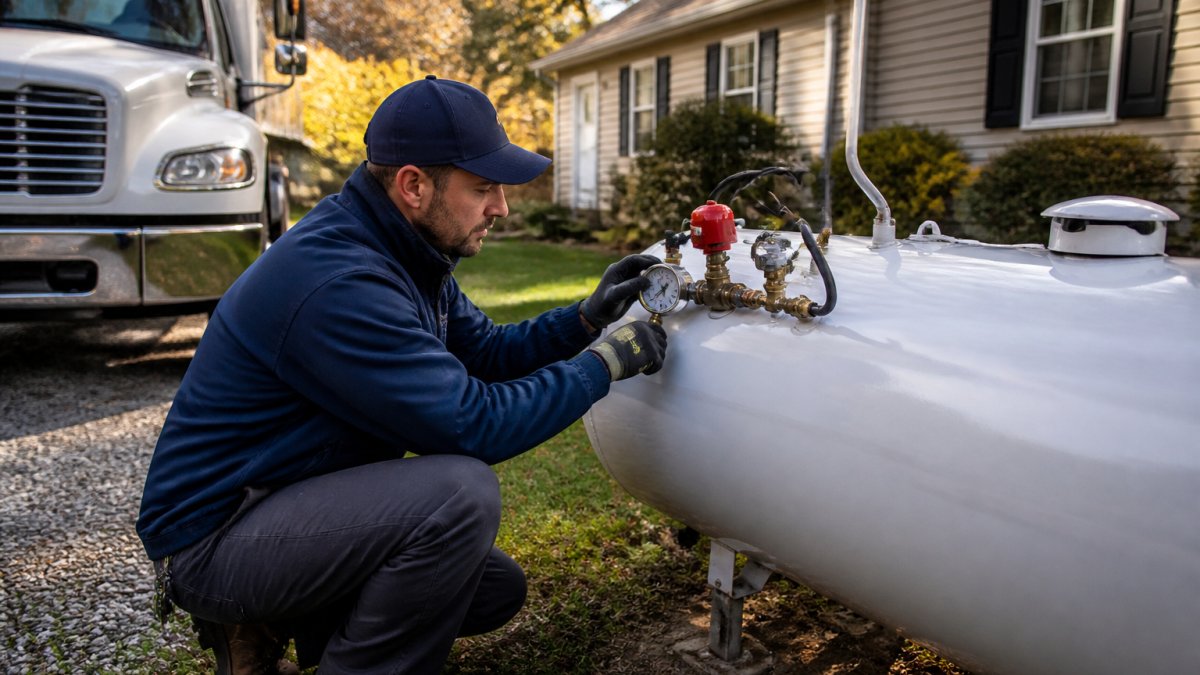
The best providers combine three things: consistent delivery schedules, responsive customer service, and transparent pricing. When you’re choosing a propane delivery provider, you’re betting on their ability to keep your home or business running smoothly.
Many contractors and homeowners make the mistake of picking the first company that answers the phone. They don’t ask the right questions upfront. Six months later, they’re frustrated with late deliveries or surprise fees.
Here’s what separates a good provider from a mediocre one:
- They confirm delivery windows in advance, not days later
- They have local staff you can actually reach during business hours
- They show you pricing before you commit to anything
- They handle emergency calls on weekends and holidays
- They maintain their equipment and keep technicians certified
At Discount Propane, we understand that reliability isn’t optional, it’s the foundation of everything. When you order propane online, you see real-time pricing and can schedule delivery that fits your schedule. No guessing.
Questions to Ask a Propane Company Before Committing
Before you sign anything, ask these five questions. They separate reliable providers from the rest.
1. What are your delivery schedules and response times?
Ask if they offer automatic delivery, will-call service, or both. Find out how fast they respond to emergency requests. A good company has a plan for winter surges.
2. Do you own the tank or do I?
This matters more than most people realize. Some companies lease tanks and charge monthly rental fees. Others sell you a tank outright. Ownership affects your flexibility if you ever switch providers.
3. What fees do you charge beyond the per-gallon price?
Get a written list of all fees: delivery fees, service fees, tank rental, new-customer fees, and anything else. Ask which fees are negotiable.
4. What payment options do you accept?
Check if they take credit cards, cash, automatic bank transfers, or newer payment methods. Discount Propane accepts credit card, cash on delivery, and Zelle for maximum flexibility.
5. What happens if I want to switch providers?
Ask about cancellation policies, contract terms, and whether they charge early termination fees. A transparent company will explain this upfront.
Delivery Coverage and Response Times
Your propane provider must serve your address and respond quickly when you call. Ask for their service map and confirm they deliver to your location.
Response time matters most in winter. A provider who takes three days to deliver during February is unreliable. The best companies guarantee delivery within 48 hours during peak season.
Emergency service is another key question. If your tank runs empty on a Sunday in January, can they come out? Some providers charge extra for emergency calls. Others include it. Know the difference before you need it.
Tank Ownership and Installation
Ask whether you buy the tank or rent it. This decision affects your costs and your flexibility.
Rented tanks: The company owns the equipment. You pay a monthly rental fee (typically $5-15 per month, though prices vary). If you switch providers, you leave the tank behind. This is simpler upfront but more expensive long-term.
Purchased tanks: You own the tank outright. No monthly rental fees. You can take it with you if you switch. The downside: higher initial cost and you’re responsible for maintenance.
Some providers offer both options. Ask which makes sense for your situation.
Understanding Propane Delivery Pricing and Fees
Propane pricing changes constantly based on market conditions. A reliable provider shows you current prices before you order.
What Costs to Expect
Your total cost includes three things: the per-gallon propane price, the delivery fee, and any service or tank fees.
Per-gallon prices fluctuate with crude oil markets. You might pay one price in October and a different price in December. A transparent provider shows you the exact price before you commit.
Delivery fees typically range based on distance and tank size. Some companies charge a flat fee. Others charge per gallon delivered. Ask which model they use.
Tank fees depend on ownership. If you rent, expect a monthly charge. If you own, you pay nothing ongoing (but you paid more upfront).
Hidden Fees and How to Avoid Them
The best providers show you all fees in writing. Common hidden fees include:
- New-customer fees: Some companies charge $25-50 to set up a new account
- Service call fees: Charges for tank inspections or maintenance visits
- Minimum order fees: Some require you to buy at least 100 gallons per delivery
- Early termination fees: Penalties if you cancel before your contract ends
- After-hours fees: Extra charges for emergency or weekend deliveries
Ask for a complete fee schedule before signing up. If a company won’t provide one, that’s a red flag.
Discount Propane offers upfront, transparent pricing with no commitment required. You can check prices online anytime and see exactly what you’ll pay before ordering.
Automatic Propane Delivery vs. Will-Call: Which Works for You
This choice depends on your usage patterns and how much control you want.
Automatic Delivery Benefits and Drawbacks
Automatic delivery means the company monitors your tank and delivers propane automatically when levels drop. You never have to call or think about it.
Benefits:
- You never run out of fuel unexpectedly
- No phone calls or scheduling needed
- Consistent delivery schedule helps with budgeting
- Best for homes with predictable heating needs
Drawbacks:
- Less control over delivery timing
- You might receive propane when prices are high
- Some companies require minimum order quantities
- Canceling automatic service can be complicated
Automatic delivery works best for homeowners with consistent heating needs and contractors running regular job site heaters.
Will-Call Delivery: Control and Flexibility
Will-call delivery means you call the company when you need propane. They deliver on your schedule, not theirs.
Benefits:
- Full control over when you order
- You can wait for better prices if you’re flexible
- No long-term commitment or automatic charges
- Simpler to cancel service
Drawbacks:
- Risk of running out if you forget to call
- Longer wait times during peak season (winter)
- You must monitor your tank level yourself
- May require minimum order quantities
Will-call works best for businesses with variable propane needs and homeowners who want maximum flexibility.
Many customers use both: automatic delivery for winter months when heating is steady, will-call delivery in summer when usage drops.
Evaluating Customer Service and Company Reputation
Customer service quality shows up when something goes wrong. A good provider answers the phone, solves problems quickly, and treats you with respect.
Check online reviews on Google, the Better Business Bureau, and local community forums. Look for patterns in what customers say, not just star ratings.
Pay attention to how companies respond to negative reviews. Do they ignore complaints or address them professionally? A company that engages with unhappy customers shows they care.
Call the company directly with a simple question. How long do you wait on hold? Does a person answer or an automated system? Can they answer basic questions about their service?
Ask for references from current customers in your area. A reliable provider will give you names to call. If they refuse, that’s a warning sign.
Local presence matters. A company with staff in your area responds faster than one handling calls from a distant call center.
Switching Propane Providers: What You Need to Know
Switching providers is straightforward if you understand the process. Most people waste money staying with their current company simply because they don’t know how to switch.
Cancellation Fees and Contract Terms
Before you switch, read your contract carefully. Some providers lock you in for a year or longer. Others require 30 days’ notice to cancel.
Cancellation fees vary widely. Some companies charge nothing. Others charge if you leave early. A few charge per-gallon penalties if you haven’t met a minimum order quantity.
Ask your current provider:
- What is the cancellation notice period?
- Are there early termination fees?
- What is the contract end date?
- Can you switch during winter or must you wait until spring?
A transparent company answers these questions immediately. If they’re evasive, that’s a sign they’re hiding unfavorable terms.
Tank Portability and New Provider Setup
The tank situation complicates switching. If you rent, you leave the tank behind. The new provider either brings a new tank or uses a compatible one.
If you own the tank, you can take it with you. But some providers won’t accept tanks they didn’t install. Ask your new provider if they accept customer-owned tanks before you switch.
New provider setup typically takes time. They’ll inspect the tank, run a safety check, and set up your account. During this window, you won’t have propane service. Plan accordingly, especially in winter.
Ask the new company about new-customer incentives. Some offer discounts, waived delivery fees, or price locks for the first few months. These can offset switching costs.
Safety, Licensing, and Technician Qualifications
Propane is a safe fuel when handled correctly. A reliable provider employs certified technicians and maintains strict safety standards.
Ask about technician certifications. Propane technicians should hold a valid license from your state. In most states, this requires training, testing, and background checks.
Verify insurance coverage. The company should carry liability insurance in case of accidents or property damage. Ask to see proof of coverage.
Ask about safety inspections. A good provider inspects tanks annually, checks for leaks, and ensures equipment meets code. They should provide written documentation of these inspections.
Check their safety record. Ask if the company has had any accidents, citations, or violations. You can also check with your state’s utility commission or fire marshal for complaint history.
Tank installation and maintenance must meet code.
Choosing a reliable propane delivery provider comes down to asking the right questions upfront. Compare delivery schedules, pricing transparency, customer service responsiveness, and contract terms.
| Evaluation Factor | What to Check | Why It Matters |
|---|---|---|
| Delivery speed | Prevents running out of fuel | |
| Pricing transparency | All fees listed in writing | Avoids surprise charges |
| Tank ownership | Rental vs. purchase options | Affects long-term costs and flexibility |
| Customer service | Local staff, phone availability | Faster problem resolution |
| Contract terms | Cancellation fees and notice period | Flexibility to switch providers |
| Technician credentials | State license and insurance | Safety and code compliance |
| Delivery Method | Best For | Key Advantage | Main Drawback |
|---|---|---|---|
| Automatic delivery | Predictable heating needs | Never run out of fuel | Less control over timing |
| Will-call delivery | Variable usage patterns | Full scheduling control | Risk of running empty |
| Hybrid approach | Seasonal needs | Flexibility year-round | Requires two relationships |
Frequently Asked Questions
What questions should I ask a propane delivery company?
Ask about delivery area coverage, response times for emergency refills, whether they offer automatic or will-call delivery, tank ownership versus rental costs, contract terms and cancellation fees, payment options, and whether technicians are licensed and insured. Request details on new-customer fees, price locks, and how they handle service interruptions. Understanding these details helps you compare propane providers effectively and avoid surprises after signing up.
How do I compare propane delivery prices and fees?
Request quotes from multiple providers that include the price per gallon, delivery fees, tank rental or purchase costs, new-customer fees, and any monthly service charges. Ask if prices are locked or variable and for how long. Calculate total annual costs based on your typical usage rather than comparing price per gallon alone, since delivery frequency and fees significantly affect affordability. Check for seasonal promotions or incentives that could reduce your first-year costs.
What should I check before switching propane providers?
Review your current contract for cancellation fees, early termination penalties, and tank ownership terms. Confirm the new provider can serve your location and schedule delivery before your tank runs empty. Ask about tank transfer procedures if you own your tank, or whether the new company will supply one. Check customer reviews and verify the company is properly licensed. Understand payment options and whether the new provider offers budget plans or price locks to avoid rate increases.
Is automatic propane delivery or will-call better for my situation?
Automatic delivery works best if you use propane consistently and want to avoid running out, such as for year-round heating or regular equipment use. Will-call delivery gives you control over when to refill and costs less if you use propane sporadically or seasonally. Consider your heating system type, usage patterns, and how often you monitor your tank level. Contractors and businesses with predictable consumption often prefer automatic, while homeowners with variable seasonal use may prefer will-call flexibility.