

Table of Contents
- What to Look for in a Propane Supplier
- Understanding Propane Prices on Long Island
- Key Questions to Ask a Propane Supplier
- Automatic Propane Delivery vs. Will-Call: Which Is Right for You
- Propane Tank Lease vs. Ownership: Making the Right Choice
- Evaluating Supplier Reliability and Customer Service
- Step-by-Step Supplier Evaluation Checklist
- Frequently Asked Questions
Last Updated: October 9, 2026
What to Look for in a Propane Supplier
Learning how to choose a propane supplier in Nassau County affects your heating costs, delivery reliability, and peace of mind all winter.
Look for these core qualities in any propane supplier:
- Real-time pricing transparency, you should see costs before you commit to an order
- Reliable delivery scheduling, no waiting days for fuel when you need it now
- Local service, someone who understands Long Island‘s winter demands
At Discount Propane, we built our service around these fundamentals: upfront pricing, fast scheduling, and an account you manage from your phone or computer in minutes.
The biggest mistake is staying with a supplier just because they’ve been there for years.
Understanding Propane Prices on Long Island
Propane pricing here is a stack of line items, and the suppliers that look cheapest per gallon often make up the difference elsewhere. To compare fairly, price the whole stack, not just the fuel.
The stack usually has five parts:
- Per-gallon fuel price, the base commodity cost, which moves with wholesale markets and seasonal demand
- Delivery or stop fee, some suppliers charge a flat fee per trip, others fold it into the per-gallon rate
- Tank rental or lease fee, an annual charge if the supplier owns the tank, typically billed once a year
Two suppliers can quote the same per-gallon price and produce very different annual bills once those other four lines are added, so a written, itemized quote matters more than a phone number.
The contract types you will be offered
Most residential suppliers offer one of four pricing structures. Each shifts risk differently between you and the company.
| Contract type | How it works | Who it protects |
|---|---|---|
| Fixed price | You lock a per-gallon rate for a set period, usually a heating season | You, if prices rise; the supplier, if prices fall |
| Variable / market price | Rate floats with the supplier’s cost, often adjusted monthly | The supplier; you absorb market swings |
| Cap price | You get a ceiling rate but pay less if the market drops below it | You, with a floor for the supplier |
| Pre-buy | You pay upfront for a set number of gallons at a locked rate | You, if you use every gallon; unused gallons may be forfeited or refunded per contract |
Ask which structure a supplier is quoting. A low variable rate in October can look very different from a fixed rate by January.
Tank rental versus ownership, in dollars
If the supplier owns your tank, expect an annual rental fee that scales with tank size. If you own it, you avoid the rental but take on maintenance and inspection. A typical aboveground residential tank runs roughly $500 to $1,500 depending on size, installation separate. Over five years, ownership often beats rental, but only if your supplier will fill a customer-owned tank and you plan to stay put.
Some suppliers will not fill tanks they do not own, and some lease contracts include a tank-removal fee if you switch away. Read the lease before you sign, and ask specifically what happens to the tank if you change suppliers.
Questions that surface the real cost
- What is the per-gallon price today, in writing?
- Is there a delivery fee, and is it flat or per gallon?
- Is there a minimum order or minimum annual usage?
Get the answers in writing before you commit. A supplier that won’t put pricing in writing is telling you something about the relationship.
Key Questions to Ask a Propane Supplier
Generic questions get generic answers. These questions actually separate suppliers in this market, and they’re the ones most homeowners forget to ask until it’s too late.
Does the supplier actually cover your address?
“We serve Long Island” is not the same as “we deliver to your street.” Coverage here is patchy, a supplier may run routes through Hempstead, Garden City, and Mineola but skip a nearby unincorporated area because the route doesn’t pencil out. Give your exact address and ask them to confirm delivery, not just that they serve the county.
Ask follow-ups:
- Which towns and ZIP codes are on your regular route?
- How often does a truck pass through my area?
- Is there a minimum order to justify a trip to my address?
Get the coverage answer in writing or by email so there is no dispute later.
What is the real delivery commitment?
Ask for two numbers: the standard delivery window and the emergency response window. Standard delivery is typically scheduled days out, while emergency delivery during a cold snap is a different operation with demand spiking region-wide.
- What is your typical lead time for a standard delivery?
- Do you offer same-day or next-day delivery, and under what conditions?
- Is there a 24/7 emergency line, or limited weekend and holiday hours?
- What is your policy if I run out, is there a priority or a fee?
A supplier that cannot answer these clearly is one you will be chasing in January.
Who owns the tank, and what does that mean for switching?
This question traps the most people. If the supplier owns the tank, you generally can’t take it when you switch; if you own it, some suppliers will refuse to fill it. Ask directly:
- If I lease the tank from you, what happens if I switch suppliers?
- Is there a tank removal fee or a buyout option?
- Will you fill a customer-owned tank, and do you charge a different rate for it?
- Who handles inspection and maintenance on the tank, and is that included in the rental?
If you are comparing suppliers and you own your tank, lead with that fact. It filters out companies that only service their own equipment and saves you a round of phone calls.
What are the payment and billing terms?
Ask how and when you pay, and what happens if you’re late.
- Which payment methods do you accept, card, check, bank transfer, online portal?
- Is autopay required, optional, or discounted?
- Is billing per delivery or on a monthly statement?
- Are there late fees, reconnect fees, or account service charges?
What safety and inspection services are included?
Propane systems need periodic inspection, and responsibility varies by supplier and by whether you own or lease the tank. Ask:
- Do you inspect the tank and regulator as part of service, and how often?
- Do you check for leaks and test connections on delivery?
- Do you provide safety guidance for my appliances and shutoff procedures?
- Are your technicians trained and certified, and can you tell me how?
A supplier that treats inspection as an optional add-on is one to weigh carefully against one that builds it into the service.
How do I verify reputation locally?
Ask for references from customers in your town who have used this supplier, and check independent sources, Google reviews, the Better Business Bureau, and local community forums, to understand how to choose a propane supplier in Nassau County based on real experience. Look for patterns across many reviews rather than a single complaint, then call customer service yourself and time how long it takes to reach someone who can answer a real question.
Automatic Propane Delivery vs. Will-Call: Which Is Right for You
The difference between automatic delivery and will-call comes down to convenience and control.
Automatic delivery means the supplier monitors your tank and delivers fuel automatically when it drops to a set level.
Will-call delivery means you call the supplier when your tank runs low and request a delivery.
For residential heating, automatic delivery usually makes sense. Your furnace runs predictably through winter.
For construction sites or industrial equipment, will-call often fits better. Usage varies by project.
| Delivery Type | Best For | Pros | Cons |
|---|---|---|---|
| Automatic | Residential heating | Prevents running out, lower per-gallon cost, no monitoring needed | Less control over delivery timing |
| Will-Call | Seasonal or variable use | Flexibility, only order when needed | Higher per-gallon cost, risk of running out |
Propane Tank Lease vs. Ownership: Making the Right Choice
Your propane supplier might own the tank or you might. This decision affects your costs and flexibility long-term.
Tank ownership means you buy the tank outright. You own it permanently.
Tank ownership costs more upfront but saves money over time if you stay put.
Renters and people planning to move should rent.
One important detail: some suppliers won’t fill tanks they don’t own.
Evaluating Supplier Reliability and Customer Service
Reliability matters more than price.
Check independent platforms, Google reviews, Better Business Bureau ratings, and local community discussions.
Call the supplier’s customer service line: how long to reach a person, and do they answer questions directly or dodge them?
Ask how long they’ve served Long Island. A local supplier knows winter demand patterns, understands the service area, and has established delivery networks.
Also ask about safety training and tank inspections.
Step-by-Step Supplier Evaluation Checklist
Use this checklist to compare suppliers systematically, gathering the same information from each company instead of deciding on first impressions.
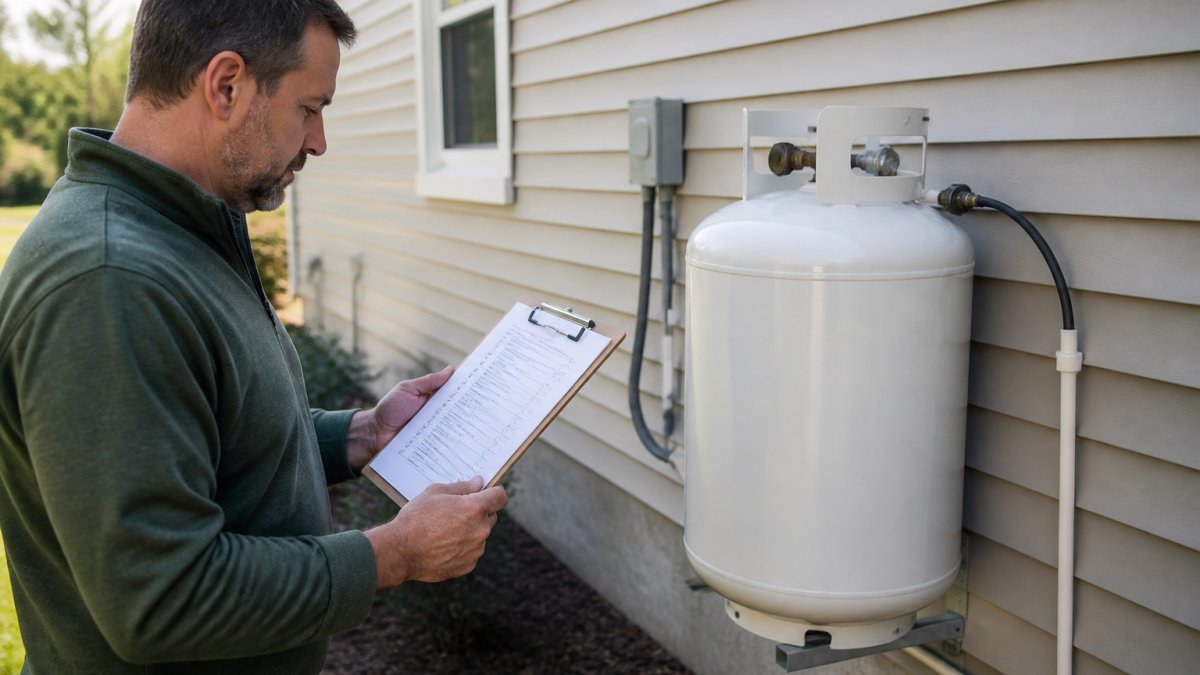
Before contacting suppliers:
- List all suppliers that service your address
- Note your tank size and propane usage (check past bills)
- Identify whether you need automatic or will-call delivery
- Decide if you want to rent or own your tank
When contacting each supplier:
- Confirm they deliver to your specific address
- Ask for current per-gallon pricing (get it in writing)
- Request delivery fee structure (flat rate or per-gallon)
- Ask about minimum order amounts
After gathering information:
- Compare per-gallon prices across suppliers
- Calculate total monthly cost (fuel + delivery + fees)
- Check customer reviews and Better Business Bureau ratings
- Call customer service and evaluate responsiveness
Making your final decision:
- Choose the supplier with transparent pricing (not vague quotes)
- Prioritize reliability and customer service over lowest price
- Verify they offer your preferred delivery method
- Confirm they service your tank type (rental or owned)
The goal is to remove emotion from the decision: same information from each supplier, evaluated the same way.
Frequently Asked Questions
How can I compare propane prices from different suppliers in Nassau County?
Request quotes from multiple propane suppliers and compare their per-gallon rates, delivery fees, and minimum order requirements. Many suppliers now offer online pricing tools where you can see real-time costs without commitment. When comparing, factor in the total cost of delivery plus the per-gallon price, and ask whether prices are locked or subject to market fluctuations. Check if the supplier offers seasonal pricing adjustments or volume discounts for larger orders.
What should I ask a propane supplier before signing a contract?
Ask about their service area coverage, guaranteed delivery timeframes, payment options, contract terms and cancellation policies, emergency delivery availability, tank ownership or rental terms, and whether they provide safety inspections and maintenance. Confirm their pricing structure, including any hidden fees or surcharges, and request their customer service contact information. Also inquire about their experience with your specific use case, residential heating, commercial equipment, or construction site delivery, to ensure they can meet your needs reliably.
What is the difference between automatic propane delivery and will-call ordering?
Automatic delivery schedules propane shipments based on your usage patterns, ensuring you never run out of fuel. The supplier monitors your tank and delivers when levels drop below a set threshold. Will-call requires you to contact the supplier and request delivery when you need it. Automatic delivery offers convenience and reliability, especially critical during winter heating season, while will-call gives you more control over timing but requires active management and carries the risk of running low unexpectedly.
Should I lease or own my propane tank?
Leasing a tank typically involves lower upfront costs and the supplier handles maintenance and inspections. However, you may face long-term costs and are tied to that supplier, switching providers can be complicated. Owning a tank requires a larger initial investment but gives you flexibility to switch suppliers, no monthly rental fees, and full control. Consider your long-term plans: if you plan to stay with one supplier for years, leasing may be simpler; if you want flexibility and lower ongoing costs, ownership might be better. Ask suppliers about their lease terms, including early termination fees.
Choosing a propane supplier in Nassau County doesn’t have to be complicated. You need transparent pricing, reliable delivery, and responsive customer service. Discount Propane delivers on all three. Get real-time pricing on your phone, schedule delivery in minutes, and pay however works best for you, credit card, cash, or Zelle. See current propane prices and get started with Discount Propane today. No commitment required to check prices.